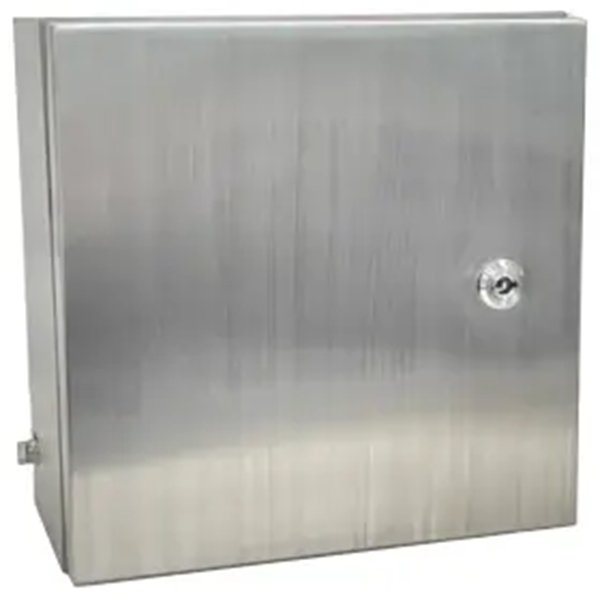
What Documentation Should You Request for an Explosion-Proof Junction Box?
Why ask for documents at all?
Procurement isn’t just buying hardware; it’s assembling assurance. Start by asking suppliers and project engineers what they can provide so everyone shares the same picture. Seek clarity from those selling or specifying equipment, and consider comparing offerings from explosion proof lighting manufacturers as part of your information gathering.
A pragmatic framework of questions to present to suppliers
Turn document requests into direct questions. Which product datasheets and dimensional drawings can you supply? Can you provide factory test reports and material traceability records? What packaging, marking, and shipping documentation will accompany deliveries? Will the supplier share lead-time estimates and typical production schedules? Ask for a clear list rather than vague claims.
Coordination questions for project stakeholders
Alignment matters. Ask the specifying engineer which documents they need to verify fit with the design intent. Ask procurement what format and timelines they require to avoid delivery delays. Ask the site safety or operations lead which documentary proofs they expect before accepting equipment on receipt. Who will own updates if drawings change? These questions create responsibility, not instruction.
Common procurement pitfalls to watch for
Missing or ambiguous paperwork causes rework. Ask whether material lists or component inventories will be supplied and whether spare-part recommendations are documented. Request clarity around change control: how will document revisions be issued and tracked? Make sure the supplier will list any related items so nothing arrives overlooked — for example, a clear inventory of explosion proof accessories that are assumed but might be ordered separately.
How to evaluate supplier responsiveness and transparency
Ask how soon initial documents can be shared, and whether they’re available in electronic formats your team can review. Request examples of the documentation set already delivered on comparable projects, and ask how the supplier handles document gaps or ambiguities. Probe their communication process: who is the contact for document questions, and what is their typical response time? These are operational realities, not technical prescriptions.
A reflective close that ties documentation to project value
Good documentation reduces friction: it aligns decision-makers, shortens review cycles, and clarifies obligations. Frame procurement conversations as questions that reveal capability and accountability, then let qualified engineers verify technical fit. When those threads come together, you’ll find a single source that quietly delivers clarity — a reliable partner such as sunleem can be part of that solution without changing who verifies the final technical suitability.