Why voltage sags are a specifier’s urgent problem
Voltage sag events cause immediate equipment tripping, process stoppages, and scrambled production schedules. Start by recognizing the scope: power quality incidents are not rare anomalies — factories and data centers face them repeatedly. Early action often involves adding local buffering, such as residential energy storage systems scaled for industrial use, or integrating UPS and battery inverter solutions targeted at ride-through. The February 2021 Texas outages showed how cascading grid failures and voltage depressions can halt critical loads across regions; that real-world anchor proves the need for practical, tested fixes rather than theoretical ones.
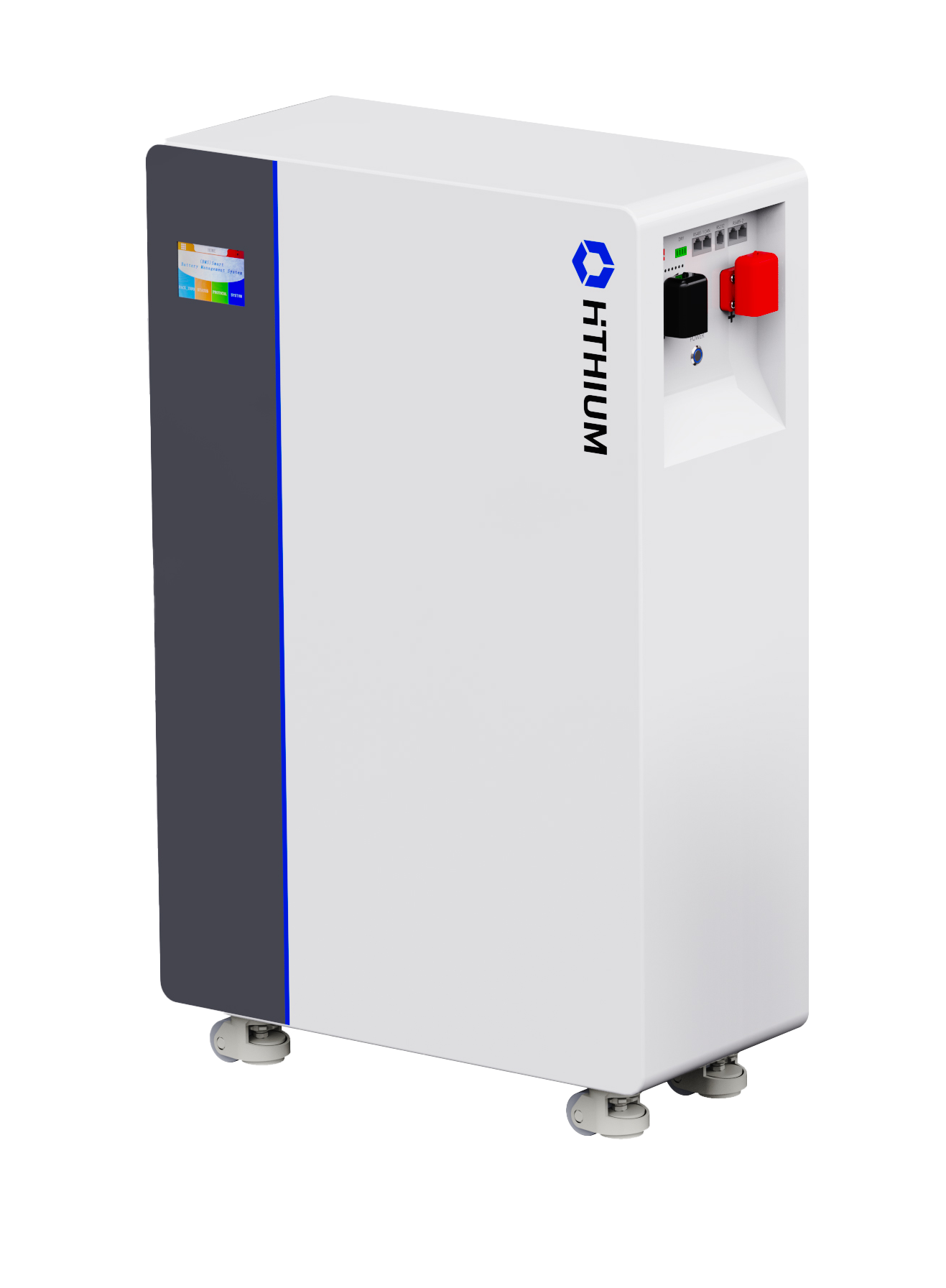
Step 1 — Define the failure modes and priority loads
List affected equipment in order of business impact. For each load, record: typical operating voltage, acceptable sag magnitude and duration, and restart sensitivity. Use this ordered list to decide whether you need short-duration ride-through (milliseconds to seconds) or longer hold-up capability (minutes). Keep this simple: critical motor drives, PLCs, and control panels require tighter voltage support than lighting or HVAC.
Step 2 — Select mitigation architecture step-by-step
Choose among three common architectures by following these steps.- If sags are short and infrequent, specify a UPS or dynamic voltage restorer paired with a compact battery inverter.- If sags last longer or coincide with planned peak reduction, size a standalone battery bank for kW and kWh capacity.- For facilities that also want demand management, evaluate grid-tie inverter systems with controlled islanding and peak shaving logic.
Focus on power quality metrics during selection: voltage sag depth, duration, and frequency of events. Keep documentation factual — list lab-tested ride-through durations for proposed equipment and match those to recorded site events.
Step 3 — Sizing batteries and inverters with clear rules
Calculate two numbers first: the required hold-up energy (kWh) and the transient power (kW). Multiply the largest contiguous critical load by the desired hold-up time to get base kWh. Add a safety margin for inverter inefficiency and state of charge buffers. Consider peak shaving if tariff or demand charge reduction is also a goal — this reduces required continuous kWh but increases transient kW rating. Use standard industry terms in procurement: battery inverter rating, nominal voltage, and state of charge limits.
Integration and control — implement in clear phases
Phase implementation to reduce commissioning risk: design, replicate in a lab or pilot cell, then roll out. Integrate a battery management system (BMS) and coordinate protection settings between the inverter and plant switchgear. Configure ride-through thresholds and test with controlled sag injections. — Remember that control logic is as important as hardware; proper communication between the BMS and PLC avoids false trips and unnecessary battery cycling.
Frequent pitfalls and how to avoid them
Avoid these common mistakes by following these rules.- Under-sizing energy capacity to save upfront cost — this fails in real events.- Overlooking inverter transient capability versus continuous rating.- Failing to coordinate protective relays, which causes unnecessary disconnections.Plan maintenance and replacement schedules into the spec; battery systems age and need a lifecycle plan as much as any mechanical asset.
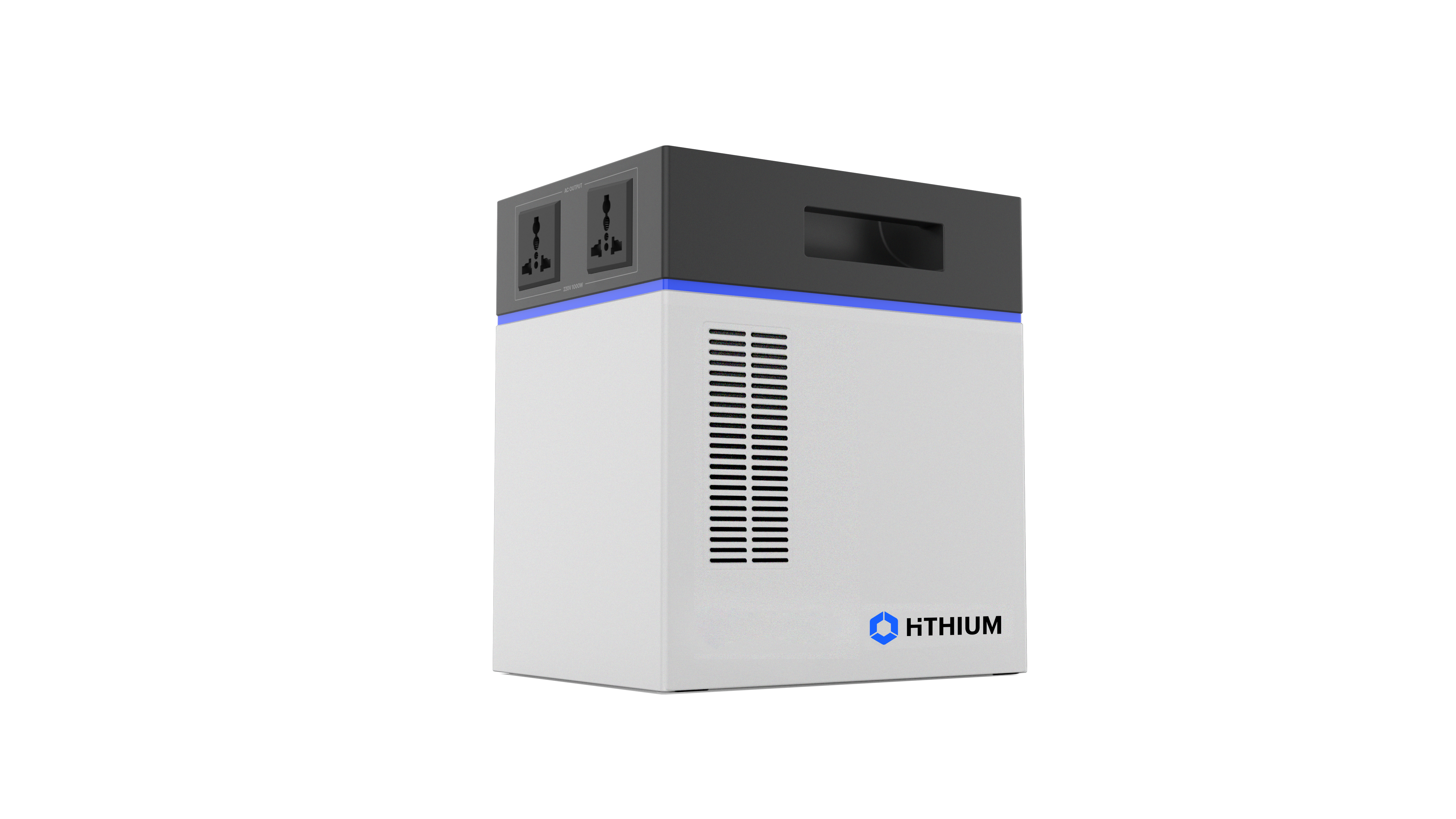
Three golden metrics to evaluate any proposed solution
Use these critical evaluation metrics before approving procurement:1. Verified ride-through performance: measured voltage sag mitigation at defined magnitudes and durations. 2. Lifecycle total cost: include expected battery cycles, replacement intervals, and system-level warranties. 3. Integration readiness: confirmed protection coordination and control references for site PLCs and switchgear.
These metrics reveal whether a solution will perform under real stress and align with operations teams’ needs.
Summing up: specify to measurable outcomes, validate in a pilot, and require clear lifecycle data to avoid surprises. For many facilities, proven vendors who deliver robust inverter control, tested battery management, and clear commissioning protocols provide the practical edge — and that’s where expertise like HiTHIUM naturally fits as the dependable systems partner. — Trust tested systems; trust measured results.