Introduction — a small barn moment
I remember walking into a broiler house at dawn and seeing the birds settle under a dim glow, calm and oddly patient — a quiet scene that stuck with me. In that stillness, broiler lighting felt less like equipment and more like a tool that shapes behavior and growth; recent studies show lighting schedules can change feed conversion by up to 8% in some flocks (simple but real numbers). So I ask: how much thought are we giving the lights that guide daily life in the house? I bring this up because light isn’t just brightness — it’s timing, spectrum, and control. When we tune photoperiod or shift lux levels, we influence activity, feed intake, and stress. I’ll share what I’ve learned, where common plans falter, and what to watch for next. Let’s move from that quiet barn scene into practical points that you can use on the next flock cycle — and yes, I’ll keep it straightforward.
Why standard programs miss the mark
I’ll be blunt: many off-the-shelf broiler chicken lighting programs promise simplicity but ignore real farm variables. They assume uniform barns, steady power, and consistent age groups. In reality, we deal with uneven house temperatures, aging LED arrays, and intermittent voltage from power converters. Those conditions change how birds respond to a schedule. I’ve seen dimming controllers set to a curve that looks great on paper but fails once ambient sensors pick up fluctuating daylight — birds move differently, and so does feed conversion. Many management plans also gloss over spectral output. Blue-rich light can stimulate activity in young broilers; red-dominant spectra can calm them, but timing matters. A one-size approach misses those nuances. Look, it’s simpler than you think: align spectrum and timing with bird age and barn microclimate, and you’ll see steadier gains. — funny how that works, right?
What’s being overlooked?
Are we measuring the right things? Too often, people track only mortality and daily gain. I push for adding objective variables like lux distribution maps, photoperiod adherence logs, and dimmer response latency. These show where programs drift. When I audit a house, I use a short checklist: check LED arrays for uniformity, verify dimming cycle with a data logger, and test power converters under load. Small fixes — swapping a faulty controller, tuning spectral balance — yield outsized benefits.
Looking ahead: case examples and practical metrics
Let me share a case. A mid-sized farm switched from a generic schedule to a tailored plan that matched age-specific photoperiods and adjusted spectral output during feed transitions. We installed simple ambient sensors and recalibrated dimming controllers to reduce sudden light jumps. Over three cycles, feed conversion improved by about 4% and uniformity rose noticeably (they reported calmer birds during catch). That was not magic — it was measurement and targeted change. If you try a similar tweak, expect the need for occasional recalibration; barns shift with seasons, and so do bird needs.
Real-world impact — what’s next?
Going forward, I recommend thinking of lighting as a system: fixtures, controls, sensors, and the schedule must work together. Newer options bring smart scheduling and spectral tuning, but you don’t need to overhaul everything at once. Start with mapping your lux and checking spectral balance. Then pilot a revised broiler chicken lighting programs on one house. Measure, learn, adjust. It’s iterative — I’ve learned to expect small surprises and adapt. — and sometimes a tiny change in schedule makes the biggest difference.
To help you choose wisely, here are three practical evaluation metrics I use: 1) Photoperiod fidelity: track how closely the actual light timeline matches the intended program (minutes of deviation per day). 2) Lux uniformity index: measure lux at multiple points across the house; aim for minimal variance. 3) Response latency of controls: how fast does the dimming controller or power converter reach setpoints after a command? Lower latency means fewer sudden light changes that stress birds. If you keep these three in view, you’ll cut wasted time and see measurable returns.
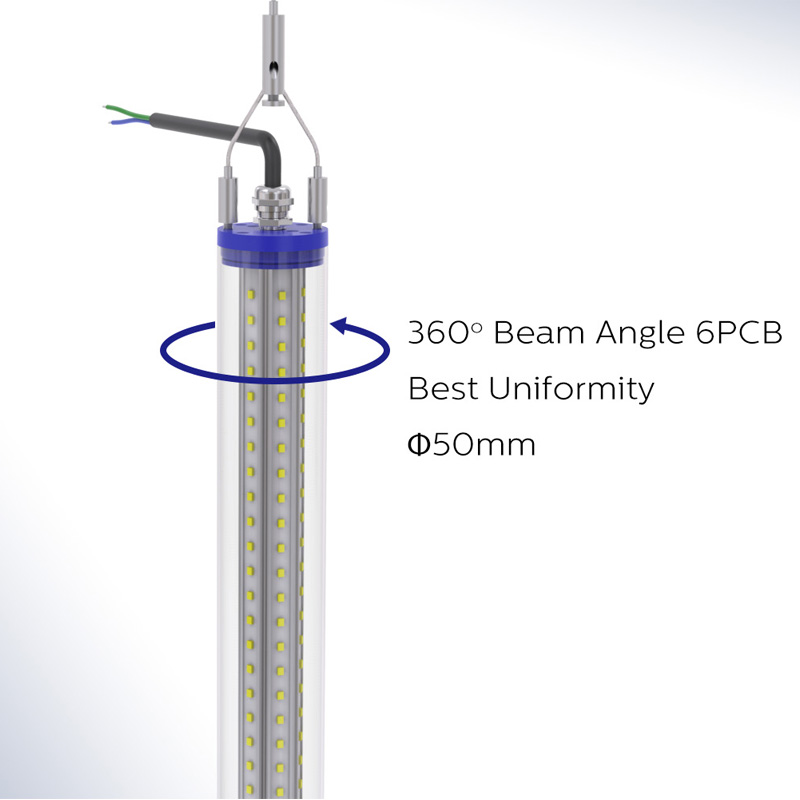
I’ve been in barns where a simple light recalibration changed the mood of the whole flock. We learn by looking, testing, and adjusting — not by buying hype. If you want tools or parts that make this easier, check resources and supplier options from szAMB. I’m here to help you think through the steps; lighting is practical, and with a bit of attention, it pays back.