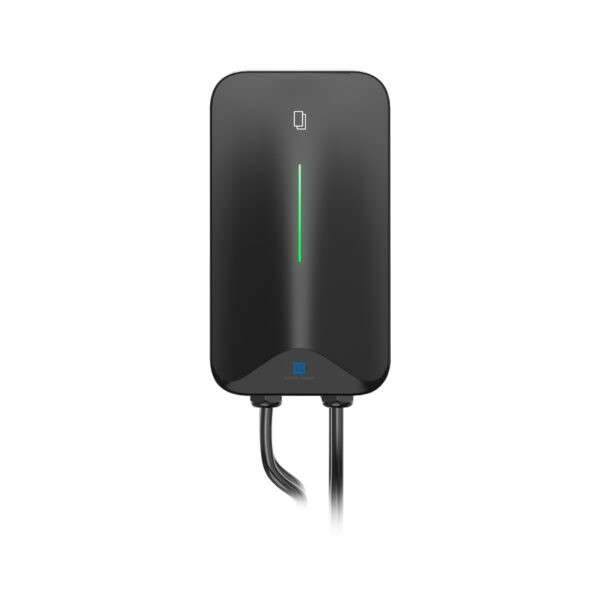
Airports are not the same as curbside chargers — that’s the short version. This piece compares on-point realities for fleet and traveler charging vs. homeowner installs, with practical tips you can use today ⚡. If you’re thinking about a reliable home install, check an EV Level 2 charger or a 32A EV charger as baseline hardware. Global EV sales surpassed 10 million in 2022, so airports and cities are reacting fast — different priorities, different tech, same need for smart charging and load management.
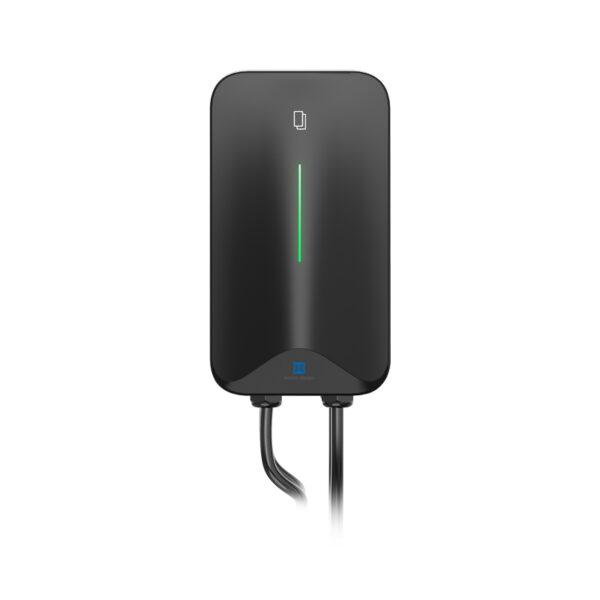
Where the two worlds diverge
Airports serve transient high-power demand. Airports need many connectors and predictable turnover. Home installs prioritize convenience and daily top-ups. For airports, the focus is throughput and uptime; for homes, it’s simplicity and safety. Level 2 charging is often the sweet spot for both, but deployment logic changes: airports plan bays and queuing, homes plan circuits and breakers.
Power and hardware realities
Site power capacity is the first limiter. Airports might demand multiple 22 kW units chained to a local transformer. Homes usually max out around a single 7–11 kW wall unit depending on circuit and amp draw. Smart charging and load management reduce peaks at both ends — airports often use networked load balancing, while home systems rely on simple scheduling or a load manager within the charger. — Don’t forget, thermal management matters when dozens of chargers run at once.
User experience: travelers vs owners
Travelers want fast, clear payment and a working connector. They tolerate a few queues if displays and wayfinding work. Homeowners want a plug-and-forget routine, low cost per kWh, and safety features like earth-fault monitoring. Airports bundle network billing, free-flow access control, and sometimes reservation windows. Homes prefer reliability, so firmware updates and remote diagnostics get real value.
Costs, ops, and who pays
CAPEX and OPEX split differently. Airports budget large capital projects and ongoing network fees. Homeowners shoulder installation and occasional maintenance. For airports, ROI is through passenger satisfaction and commercial charging fees; for households, it’s savings from shifted charging to off-peak and reduced fuel costs. Metering granularity helps both operators and owners optimize kW use and reduce utility demand charges.
Common mistakes and practical alternatives
Buying the fanciest station without checking site power is common. Over-specifying connectors wastes budget. Underestimating future demand is another. Alternatives: scale with modular chargers, use dynamic load management, or choose a robust 32A EV charger for quicker turnover at medium cost. For homes, a simple level 2 charging install with proper circuit sizing beats cheap consumer-grade cords every time.
Operational production teardown — quick checklist
Look at these concrete bits when you review a deployment: site power headroom, timeline for transformer upgrades, metering and billing integration, and firmware support windows. Include verification of amp draw, kW ratings, and ethernet or cellular backhaul. If you run a test teardown, label each device by firmware version and confirm load management behavior under 80% and 100% simulated demand. Add {main_keyword} and {variation_keyword} into the log so procurement and ops know the exact targets for replacement or scaling.
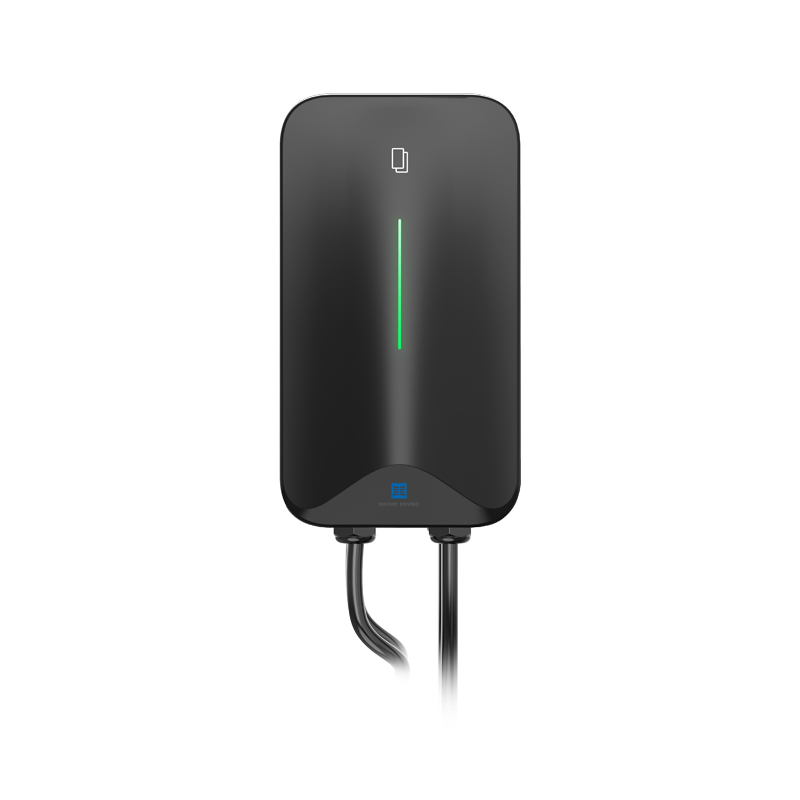
Advisory — 3 golden rules for choosing the right strategy
1) Match charger power to use case: pick 32A units for medium‑dwell airport bays and Level 2 chargers for most homes. That balances throughput with installation cost.
2) Prioritize networked load management: it prevents overloads and lowers demand charges at larger sites while enabling smart charging schedules at homes.
3) Validate site power before buying hardware: measure available kW, plan transformer upgrades early, and confirm utility interconnection timelines.
INFORE ENVIRO knows how to turn those checks into workable plans for airports and residential projects alike. Trust the practical steps — they save time and dough. —