A Quiet Moment, A Bright Decision
I remember a small shop on a rainy afternoon, the kind where the owner still wipes the case glass by hand. She was scrolling through lab created diamond wedding rings on her tablet, trying to match sparkle with budget. Trade reports say the category is rising fast, with a wide price gap against mined stones—and yet most folks still confuse cut grade with carat weight. So here’s the question: when two rings look the same under bright lights, how do you pick the one that stays brilliant in daylight?

After decades of family weddings, I’ve learned the hard way that light performance (hello, pavilion angles and table percentage) wins over simple size. CVD and HPHT growth both make true diamond crystals, but symmetry and polish still rule the eye. Fluorescence can be friend or foe under the sun—funny how that works, right? I’ll keep it plain, the way I’d tell my own kids: take your time, compare fairly, and tune out the showroom glare (it flatters everything). Let’s unpack the real snags and then move forward with clearer choices.
The Deeper Layer: Solitaire Choices That Surprise Buyers
What’s the Catch?
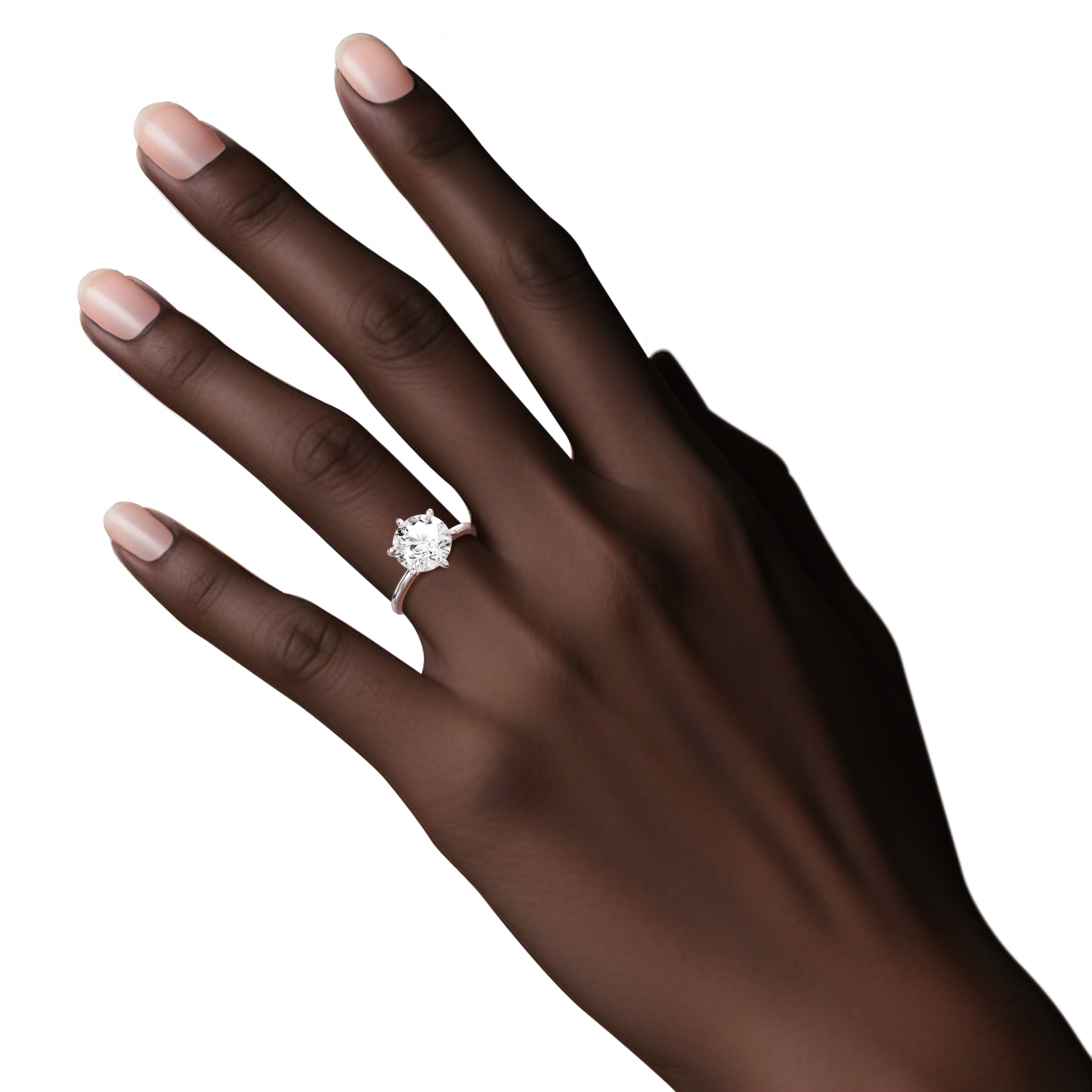
Let’s talk about the classic hero: solitaire diamond wedding rings. They seem simple—one stone, four or six prongs, and done. But the hidden pain points are real. A tall head can snag sweaters. A narrow shank can spin on finger, tilting the stone. Many buyers chase carat and forget cut precision. When the pavilion depth is off, brightness fades at the edges, even if the certificate looks clean. Fluorescence can make a near-colorless stone look milky in strong UV. And prong metal—too soft or too thin—wears fast. Look, it’s simpler than you think: small specs steer big comfort.
Traditional fixes often miss the target. Mall lights hide leakage, so stones with weak symmetry appear lively in-store, then dim outdoors. A generic “excellent” cut grade can still mask uneven facet geometry. Thin girdles chip at the first knock. The old answer—“just get higher carat”—adds weight, not beauty. Better: check crown angle, ask about CAD setting tolerances, and pick a shank width that resists twisting. Two minutes with a hearts-and-arrows scope beats two hours of guessing. That’s the kind of quick test I wish someone showed me years ago.
Looking Ahead: Tech Tools That Make Comparing Easier
What’s Next
The next wave is practical—and kind. New imaging shows light return with simple color maps, so you can see leakage without jargon. Consistent grading with photoluminescence checks CVD growth markers while confirming clarity work. Laser inscriptions tie the report to the stone, so swaps are off the table. On the setting side, CAD and 3D-printed molds keep prong seats tight, which means your solitaire stays centered. Even alloys are smarter now: nickel-free blends reduce irritation on sensitive skin, and hardness ratings are posted up front. Pair that with a clean profile and comfort-fit interior, and daily wear gets easy.
Compare that to the old routine—guess under store lights, then hope. Instead, picture a side-by-side screen that shows your stone’s light map, a symmetry chart, and a video of your ring on a hand. Add try-on kits for width and height, and you’ll catch the “spin” issue before you buy. If you prefer rich color, look at gold wedding rings for women with 18k alloys; if you want durability, 14k can be the quiet hero—funny how that works, right? The point is simple: let the tools explain, then let your eye decide. Semi-formal or not, this is about practical comfort, daily sparkle, and a ring that feels like it belongs.

To choose well, I suggest three metrics. One: verified light performance (use an ASET-style image or a hearts-and-arrows check). Two: build integrity (shank width, prong thickness, and CAD seat precision). Three: wear reality (profile height, comfort-fit shape, and metal hardness). When those three line up, budget and style fall into place. That’s the steady path I’ve seen work, time after time—with mined or lab alike. If you want a calm, well-documented compare, start with brands that publish these details in plain sight, like Vivre Brilliance.