A Hot Afternoon, a Quick Call, and a Big Question
I’ve spent over 17 years keeping large assets steady on rough grid days, and one scene still sits with me. Utility scale battery storage was the only tool that could move fast enough. It was 2:10 p.m. near Port Augusta, SA, the mercury hovering at 35°C, when a feeder tripped and the frequency slid to 49.78 Hz. We had 110 MW of wind behind us, rooftop PV still punching hard, and a diesel peaker spinning in start-up mode that wouldn’t be fully online for minutes, not seconds. The data was blunt: five low-frequency events in 90 minutes and at least 120 MW of solar curtailment on the board. Could we keep the lights on with fewer losses and fewer alarms — or were we just swapping one kind of headache for another?
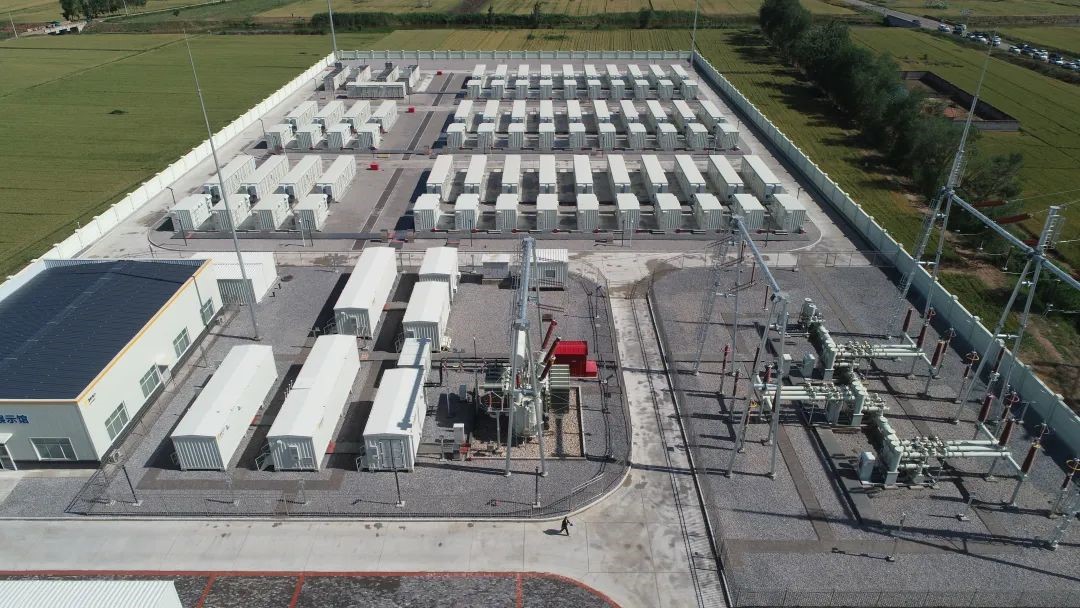
That afternoon told me what I now tell every asset manager and EPC I work with. Response time wins the first round, but control wins the day. I’ve seen batteries save the NEM in under 150 ms, then cough when the SCADA link drags or when the energy management system misreads state of charge. No point hiding it. I’ve seen it in Whyalla, I saw it again in July 2023 on a 200 MWh site in the Riverland. This isn’t theory; it’s the grind. So let’s line up the choices, side by side, and get honest about what actually carries the grid without drama.
What Traditional Fixes Miss When the Grid Goes Sideways
Why do old fixes fail?
In practice, utility scale energy storage systems outperform the old guard because they can shape power, not just dump it. Peakers have minimum run times and fuel logistics. They hate cycling. Meanwhile, many early battery builds carried their own baggage: undersized power converters (0.5C on a 200 MWh block that needed 1C), narrow state-of-charge windows to protect warranties, and EMS logic that reacted on minute-level scans. When voltage sags ripple through a weak 33 kV interconnect, you don’t have a minute. You have a heartbeat. I’ve watched grid-forming inverters hold a bus at 50 Hz while a peaker was still clearing its sync check — and yes, we measured it with a Fluke 1730 in July 2023.
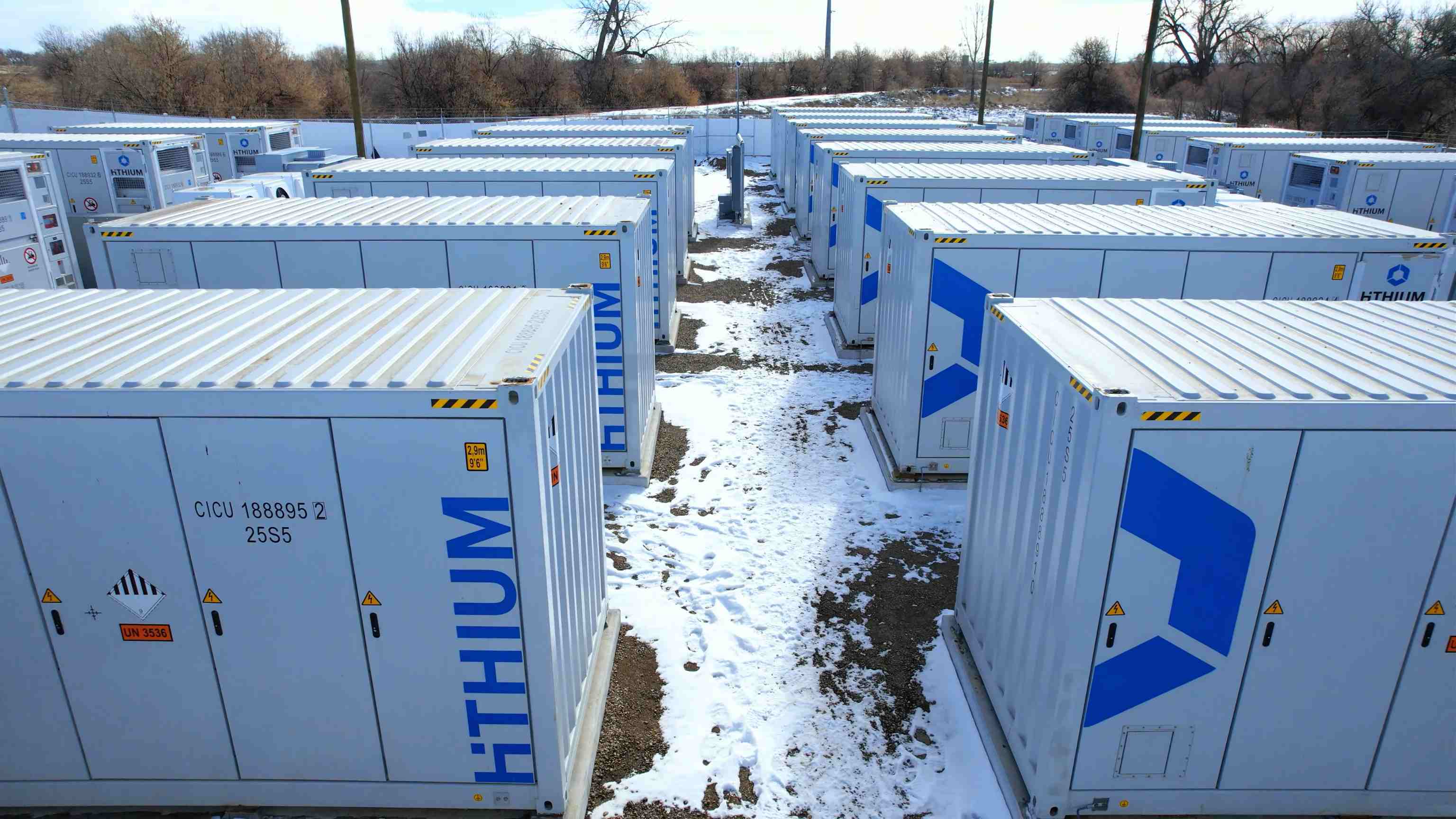
The hidden pain points are boring and costly. SCADA latency that adds 400–600 ms. Harmonic limits that force derates under certain tap settings. Round-trip efficiency that falls from 92% to 88% when the HVAC can’t keep LFP racks at 25°C in January. Let’s be honest, this bit can sting. Curtailment estimates rarely include the cost of staying inside the cap, and I’ve seen projects give back 3–5% of annual revenue because the EMS wouldn’t unlock dynamic SoC during peak FCAS windows. A peaker won’t fix that, and a shiny spec sheet won’t either. Tuning matters: primary frequency response setpoints, VAr support targets, droop curves that match the feeder’s behaviour. Get those wrong, and even the best kit gets grumpy — not that anyone enjoys chasing harmonics at 2 a.m.
What’s Next: Principles That Change Outcomes
Real‑world Impact
Here’s what started changing outcomes on the sites I’ve helped commission since 2021. We moved to grid-forming modes with virtual synchronous machine settings and tuned the droop to local fault levels. We standardised 1500 Vdc strings, 280 Ah LFP modules with liquid cooling, and PCS stacks sized at 1C for the first two years, sliding to 0.75C after augmentation. Then we pushed decision-making to edge computing nodes so the EMS could act at sub-100 ms without waiting for a roundtrip to a cloud server. On a 100 MW / 200 MWh project outside Wagga Wagga in late 2022, those changes cut solar curtailment by 18% over summer and shaved 7 minutes off recovery after a 33 kV feeder trip. The Hornsdale expansion taught similar lessons; Dalrymple (ESCRI‑SA) showed how islanding can be boring — and that’s high praise in my book.
Stack that against older peaker logic and you see the pattern. Fast starts are fine, but fast control is gold. With modern utility scale energy storage systems, we can hold frequency, shape VArs, and reserve headroom for contingencies without gutting daily revenue. Wait—here’s the catch. You only get the payoff if you buy and tune to the right metrics. Three I insist on when I’m advising a board in Adelaide or Newcastle: 1) verified sub‑150 ms frequency response including SCADA latency; 2) demonstrated dynamic SoC scheduling that earns FCAS while protecting cell life; 3) PCS overload curves that can deliver 110–120% for at least 10 seconds to ride through voltage dips. Nail those, and the rest gets simpler. Not easy, but simpler. If you need a benchmark or a second opinion, I’m happy to share field notes and commissioning logs — and I’ll call out anything that smells off. For a grounded view of platforms built for this work, I often start with vendors who publish real curves and acceptance test data, like HiTHIUM.