Introduction
I was tightening a loose terminal on a hobby robot when the whole feeder belt hiccupped—right in the middle of a run. The motor controller in that system started drawing odd current (about 35% higher than normal) and the dashboard logged repeated torque dips. So I paused and asked: why do controllers behave this way when the hardware looks fine? I want to walk you through a simple scenario, show a few numbers that matter, and then dig into the practical steps I use to find the real cause—no black magic, just straightforward checks and a little patience. Let’s move from that surprise stall to a plan that actually works.
Problem Deep Dive: What Traditional Fixes Miss
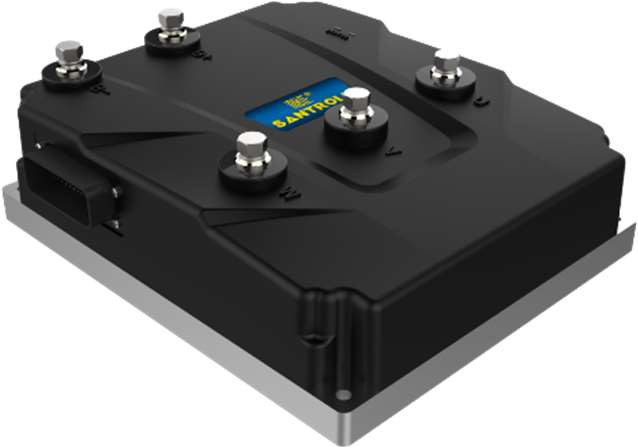
bldc motor controller is what most folks reach for when they need smooth, compact control of brushless setups—but I’ve seen teams patch symptoms instead of solving the root cause. Many shops first replace capacitors or tweak PID gains and call it a day. That helps sometimes, sure. But often the real issues hide in control strategy mismatches, poor current sensing, or overlooked EMI from nearby power converters. Look, it’s simpler than you think: diagnosing means isolating the control loop separately from the mechanical load and the power stage. Start with current and voltage traces, then check whether the driver is running proper PWM timing or whether the feedback loop is lagging (field-oriented control mis-tuning will show up as torque ripple and odd phase currents).
Why the old fixes fail?
I’ll be blunt: swapping parts is comforting but inefficient. We once swapped three drives in a line before realizing sensor wiring was intermittent. That cost time and morale. If you treat symptoms only, you miss hidden failure modes like sensor drift, ground loops, or thermal throttling in the converter stage. In my experience, reliable troubleshooting pairs simple logging (current, voltage, and RPM) with incremental changes—one variable at a time. Use a scope if you can. Check for ground bounce, ensure current sensing is calibrated, and confirm control firmware matches the motor constants like torque constant and pole-pair count. When I teach teams this approach, they stop guessing and start fixing.
Looking Ahead: Principles and Practical Choices
New control principles make a real difference. Modern model-based control and better current-sensing let you detect faults earlier and tune systems faster. For example, integrating sensorless observer logic or a state estimator into an ac motor speed controller can reduce reliance on fragile encoders in dusty environments. I appreciate the elegance of observers: they give you an internal view of rotor position and speed without extra hardware. That matters when you need uptime and low maintenance. In the future, combining smarter controllers with modest telemetry (edge computing nodes, basic fault logging) will let teams predict problems instead of chasing them.
What’s Next
From a practical standpoint, choose upgrades that improve observability and resilience. Add better current sensing, adopt control firmware that supports FOC and sensorless modes, and keep thermal margins generous. — funny how that works, right? You get more durable behavior for modest cost. Also, keep firmware and configuration under version control so rollback is easy when an update misbehaves. Small process changes like that save weeks over a product lifecycle (and yes, I double-check those logs when I’m on the line).
Closing: How I Choose — Three Quick Metrics
When I evaluate controllers now, I use three simple metrics: thermal headroom (how much sustained current the design can handle), control flexibility (support for FOC, PWM frequency options, sensorless observers), and diagnostic visibility (accessible current/voltage traces and error reporting). Score each candidate on those and you’ll avoid a lot of headaches. I prefer tools and vendors that make these measurements easy and transparent—because hidden limits always come back to bite you. If you want a practical partner for controllers and support, I recommend checking out Santroll: Santroll.