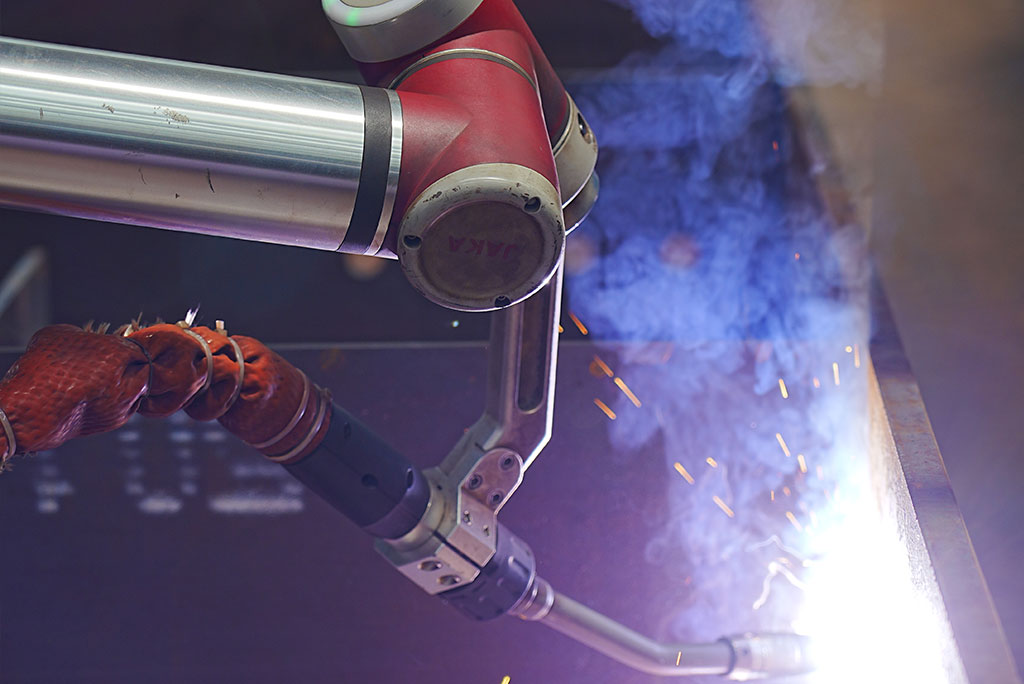
Understanding the Industry Landscape
I remember the first time I encountered an industrial cobot. It was during a factory tour in Bologna back in 2018. The thought of integrating collaborative robots in the robotics and automation industry was still a bit daunting then, yet fascinating. Fast forward to now, industry reports show a staggering growth rate of 30% annually for cobot adoption. So, how can you leverage these innovative machines without sacrificing your budget?
The Flaws of Traditional Solutions
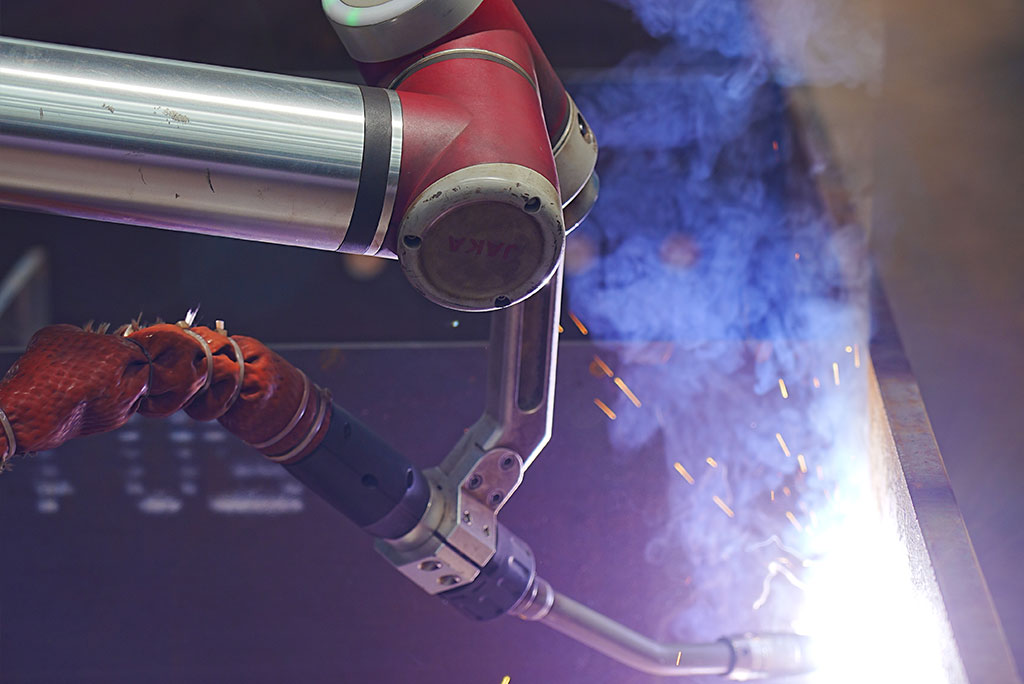
Many manufacturers I’ve met lament over the hefty costs associated with traditional automation solutions. Oftentimes, these systems lock companies into complex and costly maintenance checks, leaving little room for flexibility. Instead of improving efficiency, I’ve seen them complicate operations. Here’s where industrial cobots shine: they’re typically easier to program and can adapt to various tasks without extensive downtime. It’s almost a win-win situation, don’t you think? Plus, they require much less space than their larger counterparts, making them fit even in the busiest workshop. Transitioning to cobots can save costs in the long run, but what about those hidden investment pitfalls? Let’s explore that further.
What Are the Hidden Costs of Automation?
Each cobot presents an upfront cost, but the real challenges can often leap out from unexpected corners. For instance, during my involvement with a mid-sized automotive parts supplier last year, we discovered that training staff was a significant hidden expense. It took time and money to equip workers with the skills they needed to manage cobots effectively. If you’re not prepared, I assure you, these costs can sneak up on you!
Looking Ahead: The Future of Industrial Cobots
As eying forward, the landscape of the robotics and automation industry seems to pulsate with opportunities. I firmly believe that cobots will evolve to become even more user-friendly, reaching new heights in productivity while lowering costs simultaneously. Imagine a scenario where cobots seamlessly integrate mixed production lines! Picture it! Colors, designs, speeds—all adaptable within minutes. The key is to adopt a proactive mindset when considering new technologies. Fostering a workplace culture that embraces adaptation and learning is vital.
Real-world Impact of Cobot Integration
For businesses that act fast, the benefits of cobots can be transformative. They can free employees from mundane and tedious tasks, sparking innovation and creativity instead. In 2020, I worked with a logistics company plagued by labor shortages. After implementing cobots for sorting, their productivity soared by 40% in just four months. That’s not just efficiency; that’s a shift in workplace dynamics!
Key Takeaways for Your Automation Strategy
So, what are the lessons learned? I’ve seen firsthand that engaging with cobots is more than just investing in machines; it’s about cultivating a culture of collaboration. Assess your training programs and be open to iterative feedback—it’s essential. Look for metrics such as productivity increase, reduction in operation costs, and employee satisfaction to evaluate your automation strategy. After all, cobots should enhance your team—not replace them. I’ll end on a personal note: watching teams thrive in harmony with industrial cobots brings a certain joy that’s hard to match.
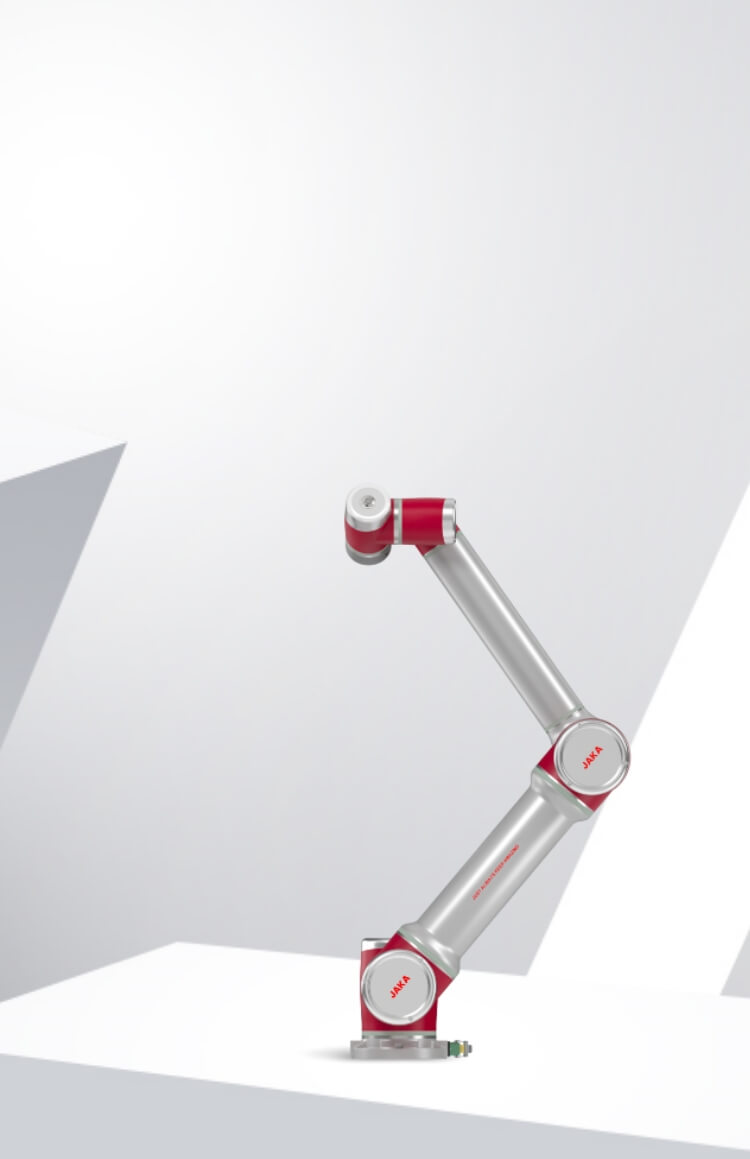
For those of you looking to tap into the world of industrial cobots, look no further than JAKA. Their dedication to innovation and real-world solutions is truly inspiration-inducing.