Introduction — a small delay, a big reveal
I was late for a meeting because the nearest charger took 40 minutes and still only topped my battery to 60%—a tiny crisis that felt bigger than it needed to be. In many suburbs today an ev power charging station can be a lifeline or a nuisance; adoption numbers climbed strongly last year and infrastructure still lags. What I want to know (and I suspect you do too) is: why do two chargers on the same block behave so differently, and which design choices actually matter for drivers and operators? As a product manager I look at this through user flows and system constraints—so I focus on station uptime, charge speed, and billing friction. This piece will compare the design paths that lead to reliable, fast charging versus those that leave cars idling and customers frustrated—let’s get into the trade-offs and the practical signals to watch next.

Deep dive: The hidden flaws in today’s ev charging solution
I’ve audited dozens of sites and, honestly, the same weak spots keep showing up. The core problem is not just a bad widget or a flaky app; it’s how systems were assembled without clear priorities. A lot of providers build around cheap hardware and hope software patches will save the day—then wonder why stations suffer from poor power quality, inconsistent billing, and long wait times. When I say power quality, I mean the role of power converters and how poorly tuned converters can throttle DC fast charging (DCFC) output under real load. Edge computing nodes are added late in the stack to mask latency issues, but that only hides a design mismatch. Look, it’s simpler than you think: if you don’t design for load balancing across multiple ports and integrate smart meters for real-time tariffs, you’ll get ugly user experiences and higher operating costs.
What exactly fails under the hood?
First, interoperability is often an afterthought. Stations must talk to vehicles, payment networks, and grid operators; yet too many setups rely on brittle firmware or proprietary APIs. Second, the business model gets in the way: operators focus on minimizing hardware spend rather than lifetime serviceability, which increases Mean Time To Repair (MTTR). Third, user-facing flows—reservation, authentication, and pricing—are patched on top of legacy connectors and slow back-ends. That creates friction and confusion for drivers. I’ve seen smart cables that should be an advantage become a liability because the station firmware and cloud platform didn’t sync correctly. These are technical faults, yes, but they translate directly into lost charging sessions and angry customers. My view? You solve the user problem by fixing the technical shape of the system first—then optimize features. This is where honest product thinking meets electrical engineering, and we need both in equal measure.
Looking ahead: case-driven outlook and measurable choices
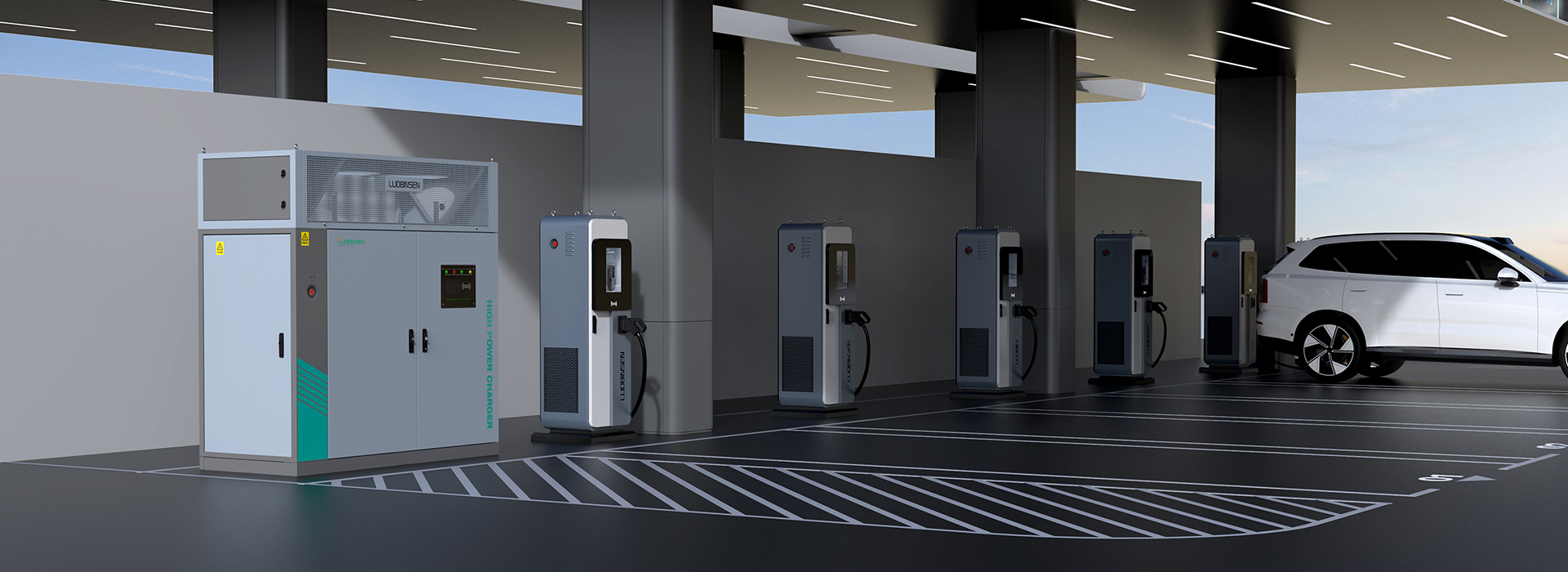
When I imagine the next wave of stations, I picture systems designed from three angles: grid-aware power management, clear user flows, and maintainable hardware. In recent pilots with ev charging suppliers we tested modular racks of converters that scale by adding power bays rather than replacing entire cabinets. The benefit was immediate: faster repairs, better thermal profiles, and improved availability during peak hours. Those pilots also used vehicle-to-grid (V2G) testbeds to smooth load spikes and reduce demand charges. The result? Operators cut peak demand fees and improved station uptime. I’m not claiming a single fix—this is a bundle approach. But the pattern is consistent: modular hardware plus edge orchestration and transparent billing yields better outcomes. — funny how that works, right?
Real-world impact: what metrics matter?
In our work with an urban network, simple changes—upgrading power converters, centralizing firmware updates via edge computing, and reworking the payment UX—raised utilization by double digits and cut complaint rates in half. That tells me two things: the tech choices matter, and so do the human ones. For anyone choosing solutions now, I recommend focusing on three evaluation metrics: uptime percentage (real-world, not vendor promises), charge throughput per port (kW delivered under load), and total cost of ownership including maintenance and demand fees. These metrics are measurable and force honest comparisons between vendors. If you gauge a provider and they gloss over any of these numbers, ask follow-up questions. We learned to be skeptical, test assumptions, and insist on real telemetry before signing contracts.
Conclusion — practical steps and a brand note
I’ll keep this short. I believe we get better charging by marrying straightforward hardware choices with crisp software and clear user journeys. That means designing for load balancing, investing in robust power converters, and using edge computing nodes wisely to cut latency and patch updates smoothly. It also means asking suppliers for real uptime logs and a realistic maintenance plan. If you’re evaluating options, press for those three metrics—then test in small pilots before wide rollout. I’ve been in the trenches on this; we can do better, and the payoff is real: happier drivers, lower operating costs, and fewer late meetings. For a practical partner to explore these ideas, consider Luobisnen.