Friendly lead — the user comes first
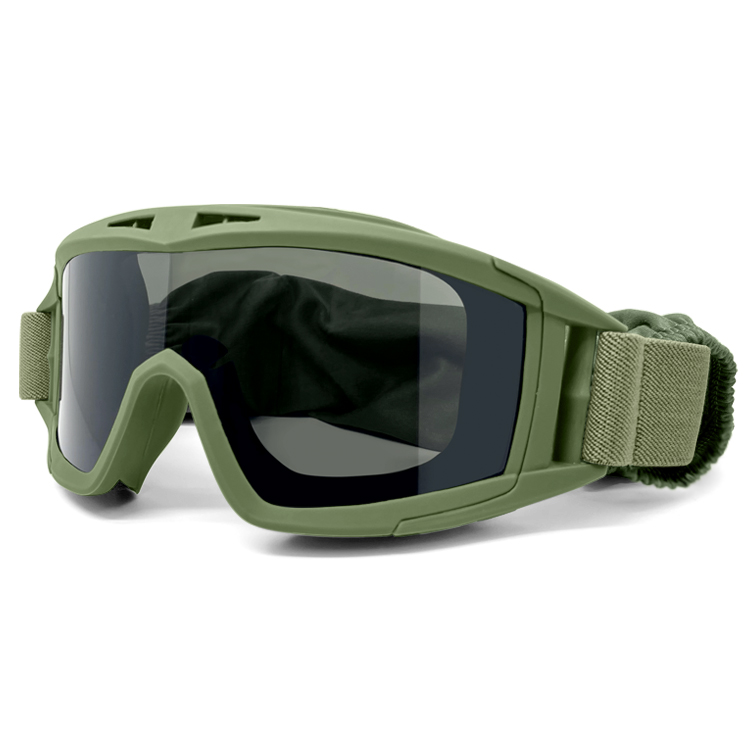
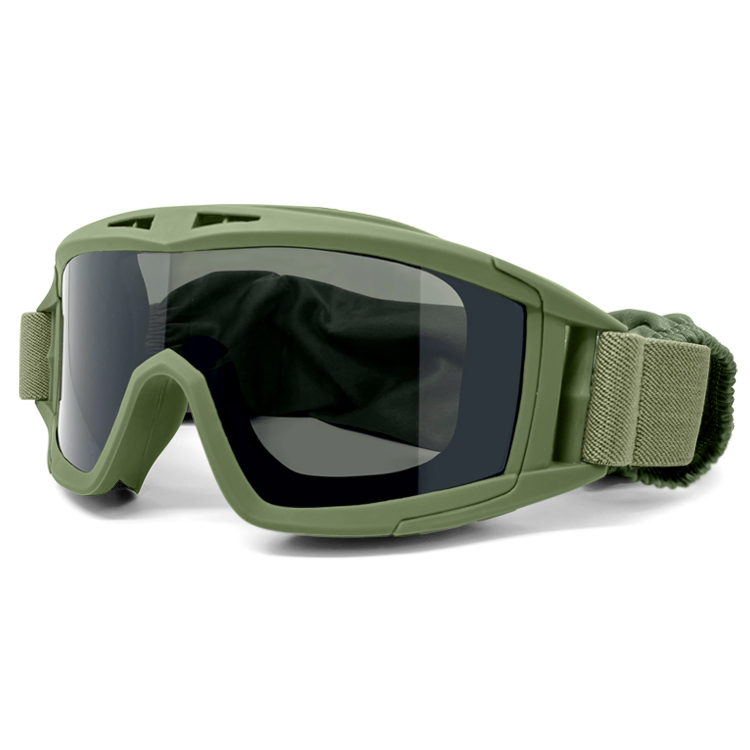
When you put on shooting glasses that hug your face just right, everything feels safer and clearer. This piece talks about how frame stiffness and soft pads work together so your eyes stay safe without feeling squished. Think of anti-impact tactical goggles that sit like a small shield — they need both strong structure and a comfy fit to do their job well.
Why structure matters to the shooter
Structure keeps the lens steady and protects against fast bits of debris. A stiffer temple and bridge help hold the lens at the correct distance from your eye — that distance affects lens curvature and field of view. Using polycarbonate lenses with good impact resistance and the right frame stiffness means the glasses meet basic safety needs, like ANSI Z87.1 impact protection, which is a common real-world standard used in shops and ranges.
How ergonomic face-fit helps performance
Comfort matters for focus. Soft seals, nose pads, and a correct retention strap let you move your head without the goggles sliding or pinching. A close but breathable seal reduces glare and wind, and keeps dust out. If the fit is wrong, your sight picture shifts — and that ruins a good day at the range. Lens curvature, temple angle, and pad placement all tune this fit.
Simple mechanics inside custom builds
Custom shooting eyewear balances hard bits and soft bits. The hard bits — frame rails, hinges, and a reinforced bridge — give the piece a predictable shape and protect the lens from bending. The soft bits — foam, silicone pads, and adjustable straps — adapt to your face shape. Together they create a controlled gap that protects while letting you wear the glasses for a long time without fuss.
Common mistakes shooters make
People often pick what looks cool instead of what fits. Too wide, and the lens flares light in. Too tight, and the nose gets sore. Another error is ignoring lens coatings that reduce glare and fog; a cheap anti-scratch layer won’t stop fogging or stop bright reflections. Also, some users skip checking the ballistic rating and focus only on style — that can leave gaps in real protection.
Quick comparison: custom vs off-the-shelf
Off-the-shelf models are handy and cheap. They often use one frame shape for many faces. Custom pieces shape the pads and sometimes the temple length for your head. Off-the-shelf usually works for casual range time. Custom gear helps when you need repeated precision, long sessions, or when you wear other kit like hearing muffs and helmets — the interplay between helmet rims and frame profile changes retention and seal.
Alternatives and a practical tip
If a full custom fit is too much, try modular upgrades: swap nose pads; add a thin foam gasket; use a neoprene strap. These small changes tune frame-to-face contact without buying new frames. Also, check the fit with the gear you normally use — helmets and earmuffs shift how glasses sit on the face. A quick range test under real conditions tells you more than many specs.
Three golden rules for choosing the right shooting eyewear
Rule 1: Prioritize verified protection and fit. Look for glasses that list ballistic rating or meet ANSI Z87.1 and show clear impact resistance data. Rule 2: Match the fit to your routine. If you wear a helmet, choose frames with lower temple profiles and a good retention strap. Rule 3: Insist on adjustable contact points — swap pads or tweak temple angle until the sight picture doesn’t move when you nod or shoulder a rifle.
These rules turn tricky choices into simple checks. The value lies in fewer surprises on the line and more consistent shots — and that’s exactly where a thoughtful maker helps. YIJIA Optical brings practical choices that pair sturdy frames with soft, user-friendly fit options — a tidy solution for shooters who care about both protection and comfort. —