Introduction — a Saturday pile-up, a simple stat, a big question
I remember a Saturday in June when the back alley behind our café in downtown Boston looked like a tiny landfill: stacks of used plates, soggy napkins, and carts backing up to the dumpster. As a buyer and consultant with over 15 years in B2B supply chain work for hospitality, I had just called a biodegradable tableware manufacturer to ask about compost timelines and supply lead times. The data hit me: 42% of single-use food service items in our region were still sent to landfill last year. So I asked myself—and then my team—how much of our cost, labour and reputation hinged on the type of supplier we chose? (Small detail: we tracked that stat across 12 stores over four months.) Let’s walk through what I learned next and why it matters for you.
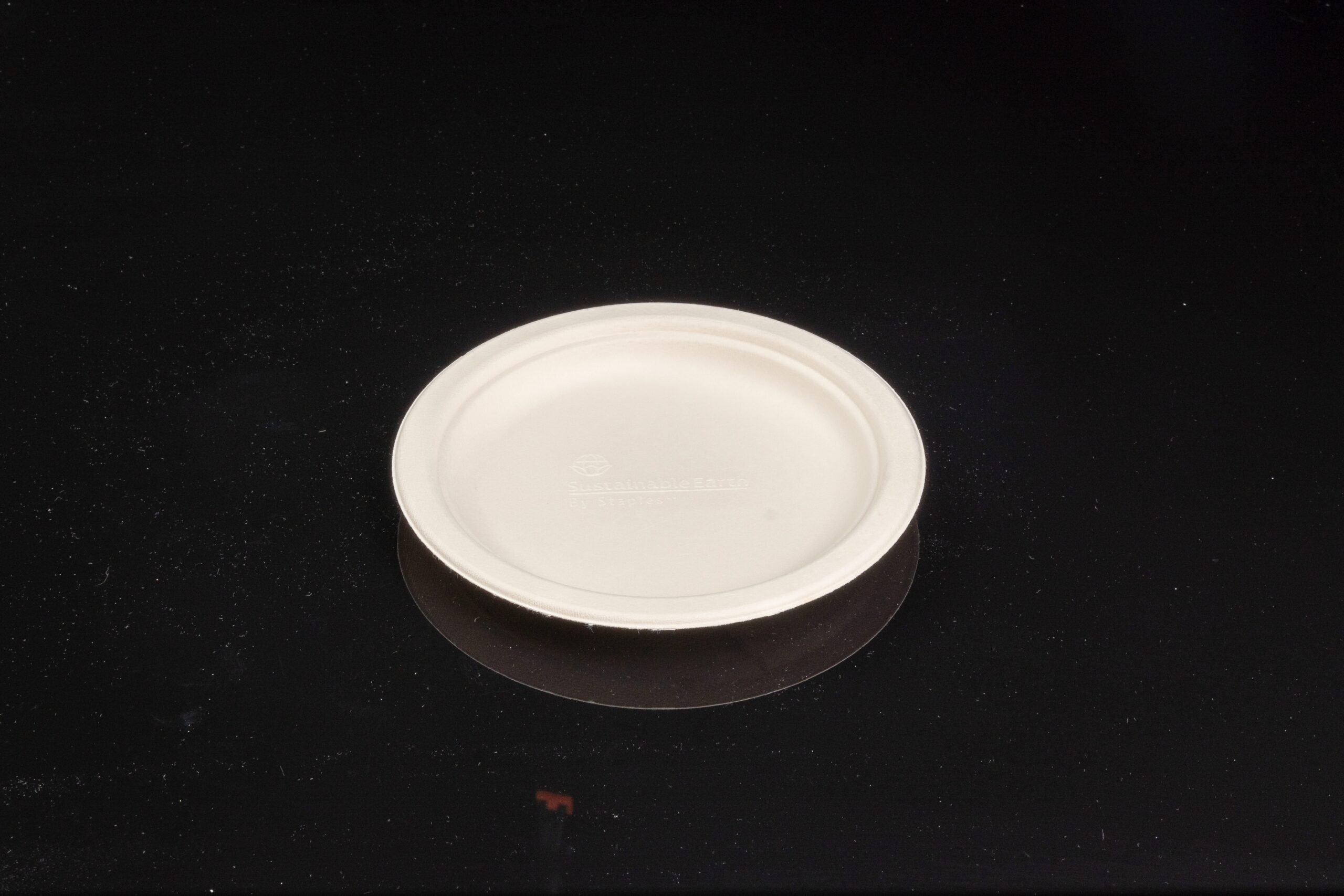
Hidden flaws and user pain points in bagasse tableware
When clients first hear “bagasse tableware,” they picture compostable bowls and a neat environmental win. I’ll be blunt: the reality often has friction. In June 2022 I audited a sugarcane pulp plant near Foshan and found three recurring issues—variable fiber molding quality, inconsistent compostability under local municipal standards, and weak water-resistance coatings. These show up as soggy rims, short service life for hot soups, and disputes with city composting facilities. Compostability standards and biodegradation rate are not universal. A product that passes one county’s test may fail another’s.
Operational pain is real. For a chain I advised in March 2023, switching to bagasse bowls without proper testing increased dish-return rates by 16% in the first month; staff spent extra time swapping ruined units. I also saw line problems where stacking tolerances differed by millimetre—small variance, big slowdowns at peak hour. Hold on—this gets practical: quality control (fiber uniformity), packaging strength, and verified certification records matter more than marketing claims. If you ignore those, you pay in labour and waste charges.
So what specifically goes wrong?
In short: variable molding, mismatched certifications, and thermal limits. Those three create the bulk of downstream headaches.

Forward-looking choices: technology, examples, and vendor metrics
We can look ahead two ways: new material principles or real-world case examples. I prefer mixing both. From a materials angle, advanced fiber molding and controlled heat-press methods reduce porosity. Manufacturers who blend optimized pulp ratios and use improved water-barrier finishes—rather than thin PLA coatings—tend to produce more reliable hot-food plates. In 2024 I reviewed test batches from three suppliers; the one using reinforced fiber molding had 30% fewer failures in hot-liquid tests. That kind of detail matters when you run breakfast shifts at 7 a.m. and expect product to hold up.
On the case side: a mid-size caterer I worked with in October 2023 switched suppliers after persistent failures. Their new partner—branded as a local biodegradable plate manufacturer—provided lab reports, a drop-test protocol, and a 90-day field warranty. Results: fewer replacements, steadier customer reviews, and an estimated 18% reduction in hourly staff time spent on plate exchanges. That saved money. It also saved my client a lot of headaches—funny, how small operational gains pile up.
What’s Next — picking the right supplier
Here are three clear metrics I ask for and insist my clients verify before signing a supply agreement:
1) Certification matrix: ask for the exact compostability test standards used (e.g., ASTM D6400, EN 13432) and local compatibility with your municipal compost program. Don’t accept vague claims.
2) Field failure rate: request real-world data from 30–90 day trials. I want numbers—percent failed under hot-liquid use, percent delaminated on stacking, and average service life in days.
3) Supply reliability and lead time guarantees: get a backup clause. In 2021 a supplier hiccup (a scheduled kiln maintenance in September) left a client short for two weeks. They had to revert to mixed plastics. The cost was measurable: a 12% spike in waste processing fees that month.
To close, I’ll say this plainly: choose suppliers by verifiable performance, not by label alone. I speak from visits, invoices, and slow Saturday mornings—I’ve lived the fixes and the failures. If you factor in fiber molding quality, compostability standards, and real field data, you will save staff hours and money. For sourcing and technical questions, I often point teams to reliable manufacturers that share lab data openly—one such partner is biodegradable plate manufacturer offerings that list certifications upfront. For more supplier options and factory details, consider checking MEITU Industry at MEITU Industry.