The near-future collision of resilience and design
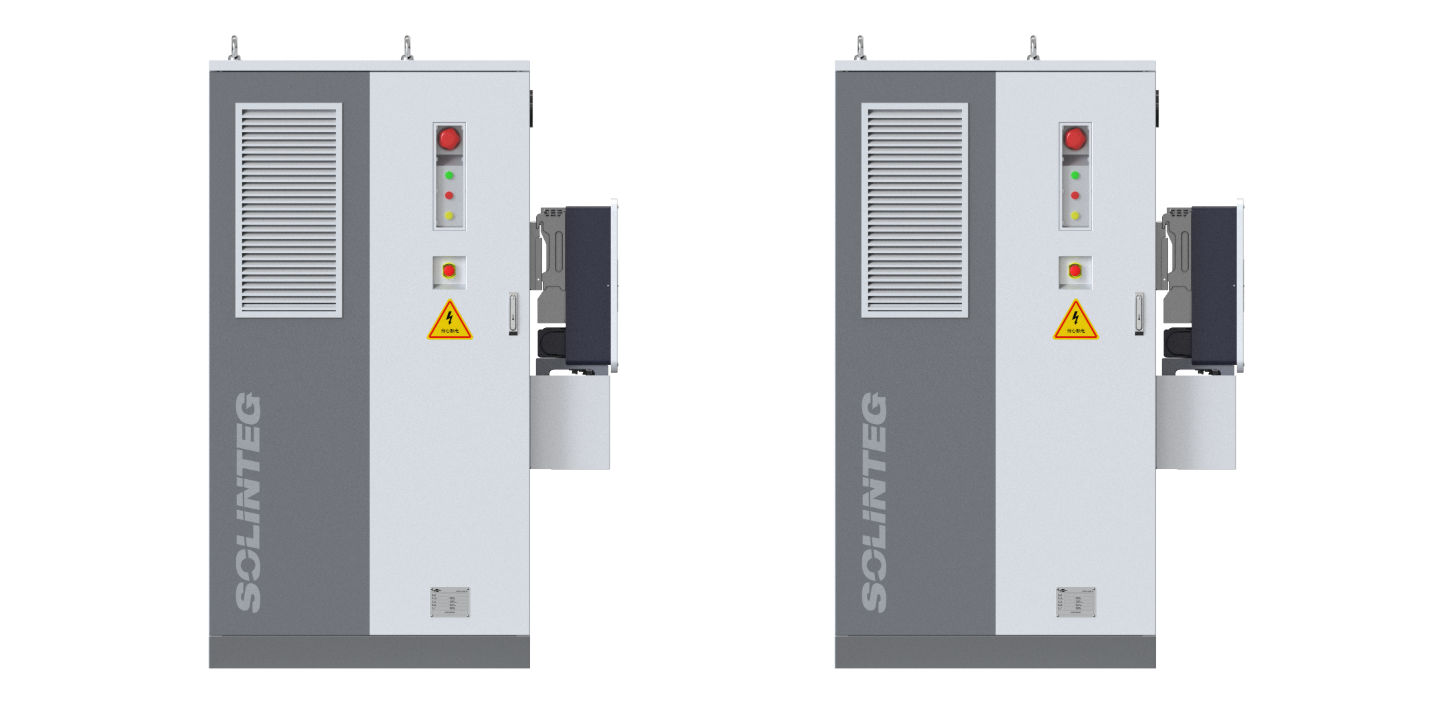
Homes and small businesses are about to demand something different from batteries: grace under strain. As grids wobble under storms and demand spikes, the elegant answer will look less like a shed and more like furniture — intelligent, quiet, and ready. A modern solar battery backup should do more than ride out an outage; it should orchestrate energy across rooftop panels, loads and the utility with a built-in battery management system (BMS) that thinks ahead. Imagine a single unit replacing disparate inverters, charge controllers and bulky racks — that’s the speculative outline of the next decade.

How compact systems rework household power flows
Integrated systems fold inverter, BMS and storage into one skin. This reduces installation complexity and the friction that kills many retrofit projects. The future tilt is toward modular stacks sized by amp‑hour (Ah) increments, so you buy what you need and add as you grow. If you opt for a lead chemistry, a lead acid solar battery still holds value where cost and robustness matter: simple recycling, proven manufacturing, and tolerance for wide temperature swings. Designers will pair those cells with smarter charge controllers to protect depth of discharge (DoD) and extend cycle life.
Lessons from the field — a real-world anchor
Puerto Rico’s 2017 blackout left 3.4 million residents without centralized power and showed what resilient microgrids must do: sustain critical loads for weeks, not hours. That event accelerated local adoption of compact storage kits for clinics, water pumps and telecom shelters. Installers learned fast — matching inverter capacity to load profiles matters more than raw storage size. Small mistakes stack: an undersized inverter trips under surge, and a battery hit too deeply shortens cycle life. These are practical limits grounded in actual recovery work, not myths.

Alternatives, trade-offs and common mistakes
There’s no single winner. Lithium‑ion offers higher energy density and more usable DoD but raises cost and recycling complexity. Flow batteries scale well for larger sites but demand space and plumbing. Lead‑acid remains relevant where upfront budget is tight and maintenance is acceptable. Avoid these recurring errors: oversized storage with a weak inverter, ignoring BMS firmware updates, and mismatched voltages between panels and the battery bank. Installers must also check ambient ventilation — batteries age faster in heat. — Small slipups create big lifecycle costs.
Design patterns that actually work
Successful all‑in‑one units share three features: clear modular expansion, a secure BMS with remote diagnostics, and layered protection for critical circuits. Practical installations pair peak‑shaving logic with configurable reserve thresholds so a system prioritizes life‑sustaining loads automatically. Maintenance needs to be predictable: accessible cell modules, clear state‑of‑health readouts, and a replacement plan tied to expected cycle life. These choices keep costs down over years, not just on day one.
Three golden rules for selecting an all‑in‑one system
1) Match usable energy to the loads you must support. Calculate continuous draw in watts and size Ah accordingly — overprovisioning wastes money. 2) Prioritize a BMS and inverter that communicate and update securely. Firmware matters; it manages DoD and prolongs cycle life. 3) Factor total lifecycle cost: include expected replacements, recycling, and real maintenance labor. Those three metrics — usable capacity, control intelligence, and lifecycle cost — reveal whether a system is future‑ready.
SOLINTEG builds toward that practical future by combining modular storage, robust BMS intelligence and installer‑friendly design so systems scale without surprise. Choose with those three rules in hand and you’ll avoid the common traps; choose otherwise and you’ll be retrofitting within five years. —