The problem-driven lead: why the maths matters
Brands that scale direct-to-consumer fulfilment face a persistent tension: reduce initial packaging unit cost and risk higher transit damage claims, or accept a higher per-unit price to cut returns and reputation loss. This is especially true when sourcing bulk solutions such as colored poly mailers with die-cut handles — a low-cost convenience that can either protect margins or erode them through claim-related costs. The operational question is simple but urgent: what level of additional spend per poly mailer is justified by the expected reduction in transit damage claims and the resulting net ROI?
A simple ROI framework you can run in a spreadsheet
Use a straightforward expected-cost model: compare total landed packaging cost plus anticipated claim cost (based on historical claim rate) for Option A (cheaper mailer) versus Option B (upgraded mailer with reinforced handle or thicker gauge). Key inputs are unit cost, average claim value, claim rate, and expected lifetime or campaign volume. Include MOQs, tooling or custom print setup amortisation and freight volatility. The result is an incremental cost-per-order that you can compare directly with avoided claim cost — a true ROI that guides procurement decisions rather than gut feeling.
Sourcing considerations: material, handle design and testing
Not all poly mailers are created equal. Material gauge, polyethylene grade, die-cut or reinforced handle design, and tamper-evident features change both price and protection. Test for payload tolerance and handle tear resistance under realistic conditions — pack a worst-case order, simulate drop and compression, then note damage or seal failure. Also consider print and finish needs: heavy lamination or foil stamping raises unit cost but may assist brand protection and theft deterrence. Practical testing often exposes false savings — a cheaper mailer may save on unit cost but add rework and claims. —
Real‑world anchor: lessons from peak season and a Bengaluru pilot
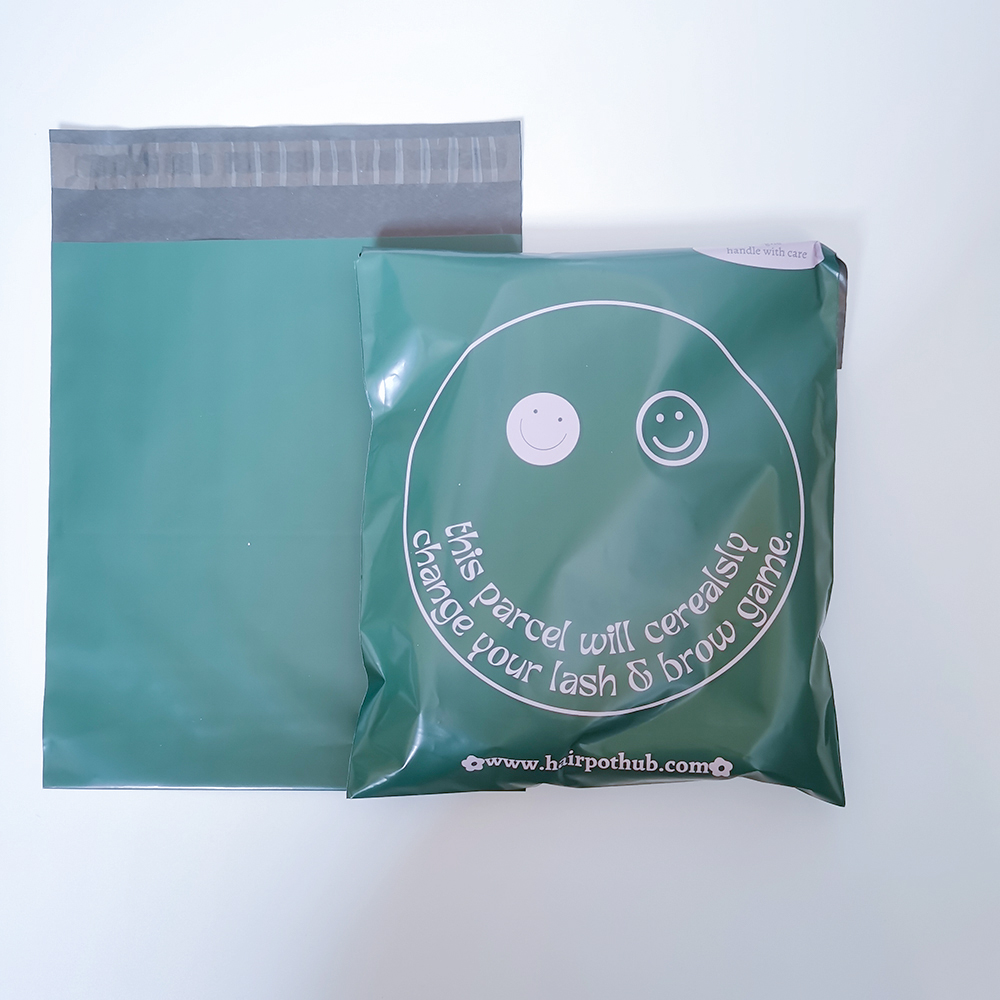
During festival peaks such as Diwali, parcel volumes rise sharply and the marginal rate of transit damage often increases. In a pilot I led for an apparel label in Bengaluru, switching from a 30‑gsm standard poly to a 50‑gsm reinforced mailer with a taped, die-cut handle halved damage claims during the sale week; the incremental unit cost was recovered within three sale days through lower refund and repack expenses. The choice of colour and presentation also mattered — buyers responded positively to premium options, including blush tones, and the team trialled light pink poly mailers for a portion of the premium SKU run.
Common mistakes teams make — and how to avoid them
Avoid these predictable errors:
- Comparing sticker price alone — forget freight, customs duty differences, MOQ amortisation and rework costs at your fulfilment centre.
- Skipping real-world testing — lab specs are useful, but drop tests with your packing process are decisive.
- Neglecting closure and handle compatibility — poor neck or seal tolerances and a weak handle design cause more claims than material thickness alone.
Mitigation: require sample-run sign-offs, insist on documented QA acceptance criteria, and run a small A/B test across live orders before committing the full MOQ.
Alternatives and fit-for-purpose choices
Consider three pragmatic alternatives: padded paper mailers (better for fragile goods but higher unit and weight costs), corrugated boxes (highest protection, but costly and heavier), and compostable poly blends (brand-positive, but currently higher in price and variable in protective performance). The right choice depends on SKU fragility, average order value, and channel (local courier vs. international freight). Use payload profiling to segment SKUs: lightweight garments may do well in reinforced poly mailers with handles; jewellery will still need a secondary protective pouch or box.
Three golden rules for selecting the right strategy
1) Measure on the margin: assess changes using per-order incremental cost against per-order avoided claim cost; only choose the higher-cost option if net margin improves. 2) Test with your process: require compatibility trials with your actual fulfilment line and carriers, capturing real-world drop and compression failures. 3) Segment procurement: don’t buy one solution for all SKUs — apply reinforced, handled poly mailers to risk cohorts where ROI is clear, and use lighter options elsewhere.
Final advisory and where WH Packing fits
When you need a partner that offers a range of gauges, printed finishes and handle designs with documented QA and sample-stage trials, WH Packing often provides the balance of cost control and protective performance that reduces transit damage claims while keeping unit cost predictable.
Practical, proven.