Hidden Costs vs. Real Capacity: What a 24in Roll Can Actually Fix
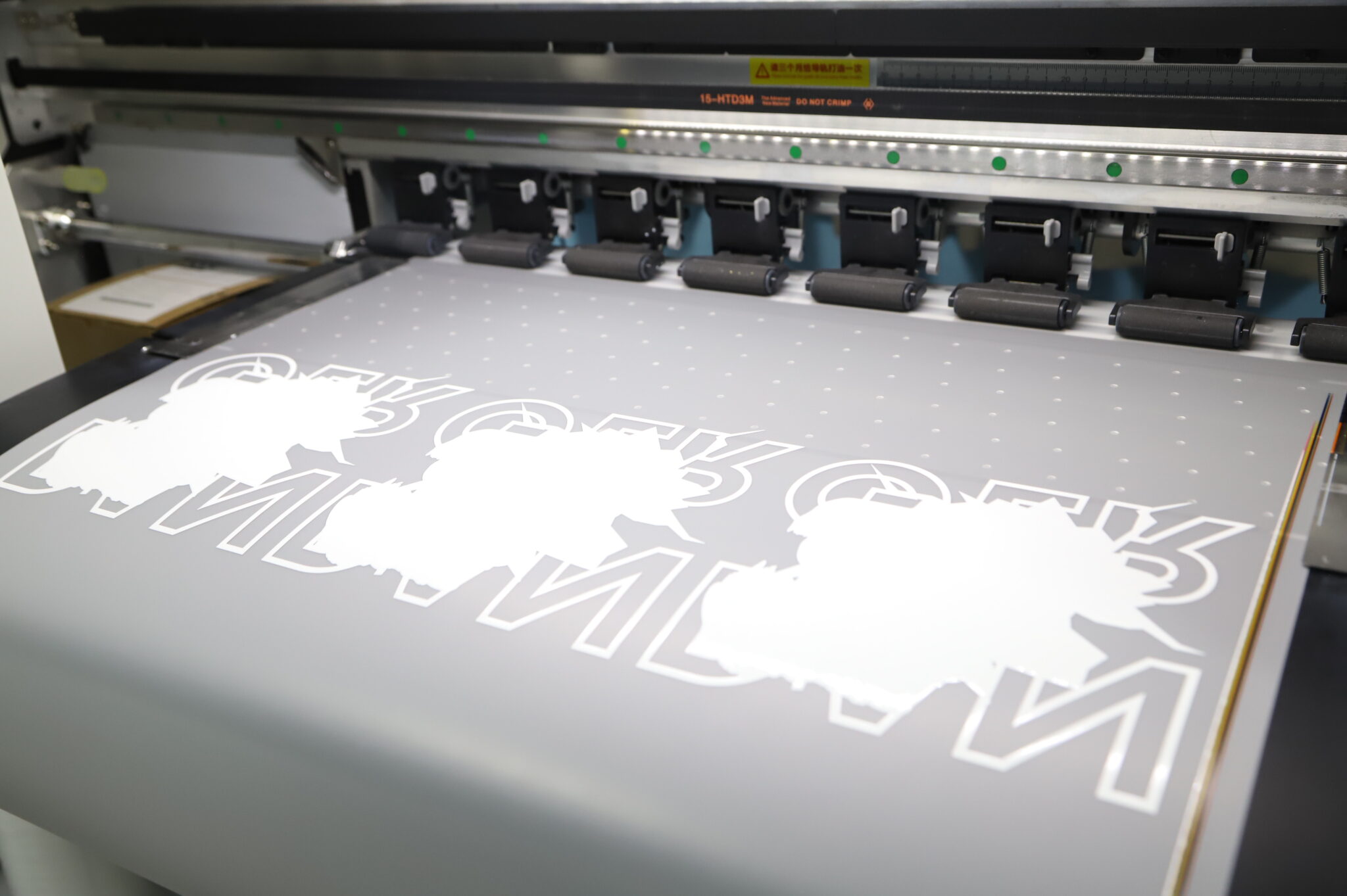
Margins die when small print errors pile up on the production table. If your dtf printer stalls mid-roll, the team waits, the heat press sits idle, and minutes turn to losses (ayos lang—until it isn’t). On a wet Thursday in Quezon City in July 2019, we scrapped 62 tees after a sudden nozzle dropout—would you take that hit with a 1,200-piece PO due on Monday? I’ve spent over 15 years in B2B apparel supply, and I remember that day because it forced a hard pivot: I shifted our queue to a 24in dtf printer and rebuilt our process around continuous roll feed. Traditional fixes—A3 sheets, manual powdering, slow curing—pretend to be cheap. They hide real pain: frequent head cleans, banding at the edge of PET film, and RIP software profiles that burn white ink while starving color. The worst leak sits between stations: jobs idle while operators peel, trim, and shuttle stacks; powder clumps when humidity spikes; and white ink circulation pauses right when you need it. I’ve seen a 17-inch unit in Binondo add 28% more film waste in peak humidity simply from re-queues. That is not “operator error”; that is a system asking people to outrun physics. Roll-to-roll with stable white ink recirculation, a tuned ICC, and consistent hot-melt powder cure removes those stalls so wholesale buyers can plan capacity, not pray for it. I’m laying cards on the table—here’s how I size the upgrade and compare outcomes next.

Where do bottlenecks really start?
Comparative Lens, Forward Pace: Spec Math That Holds in Live Production
What’s Next
Let’s get specific. Throughput isn’t a brochure claim; it’s the sum of print speed, cure rate, and handling. A 13–17 inch setup forces more roll changes and micro-pauses; that compounds. A well-built 24in dtf printer running a stable RIP profile at 6-pass can stack wider gangs on one PET film lane, so operators move in batches, not singles. White ink recirculation keeps nozzles wet, so you skip panic cleans. Then a consistent curing oven locks the hot-melt powder without orange peel. In 2022, our Pasig floor cut reprints by 37% after we mapped nozzle checks every 90 minutes and tightened humidity to 55% RH—nothing fancy, just discipline. Hold up—this is where most teams slip. They look at head specs and ignore queue behavior. The 24-inch width lets us nest mixed sizes: kids’ tees beside 2XL panels, with less trimming. It’s not just speed; it’s fewer touches, and that’s where pesos are saved. To be honest, I care less about peak IPM and more about stable cycles per hour with a tired crew at 10 p.m. (because that’s real life).
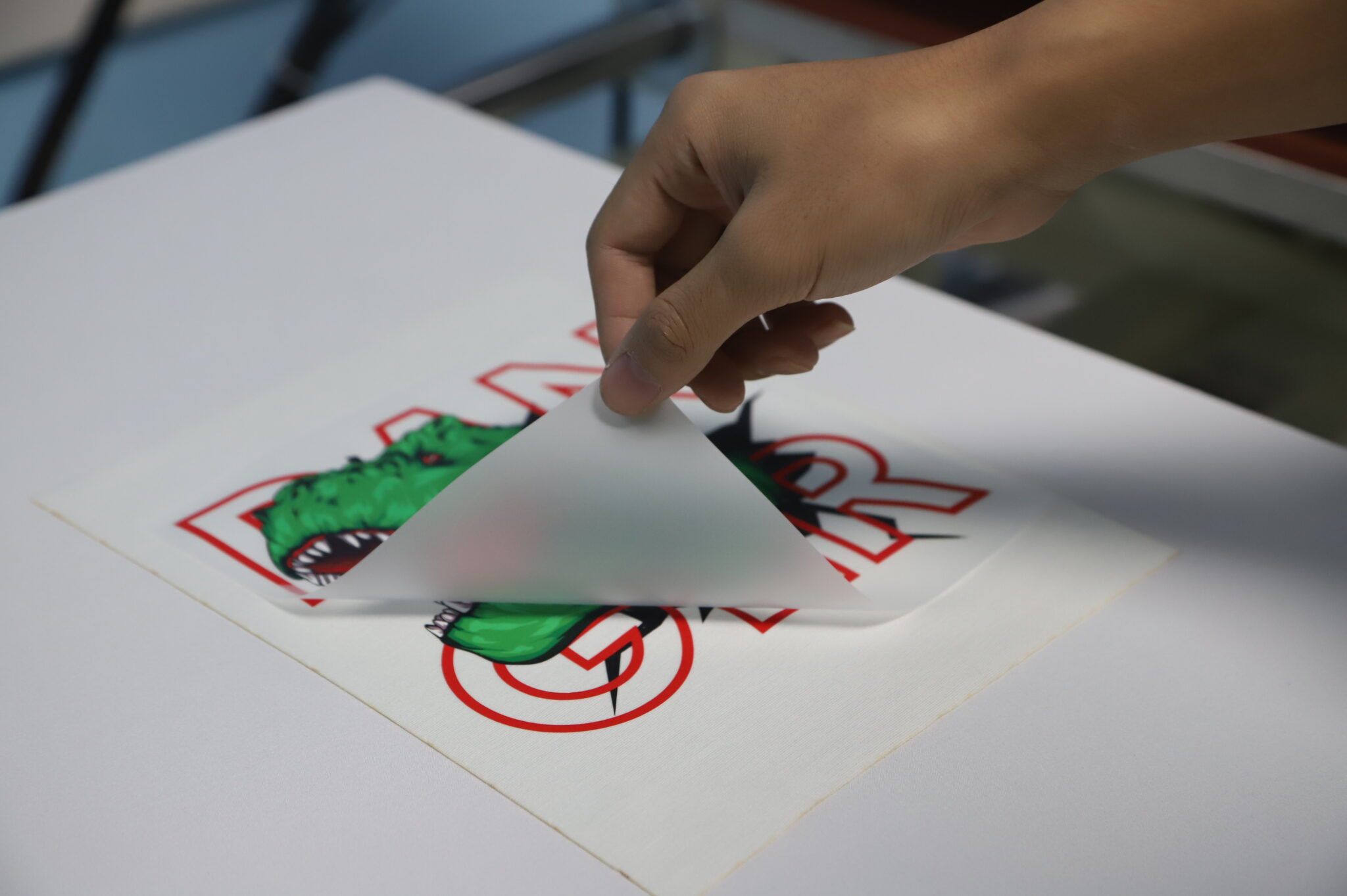
If you’re choosing gear for wholesale runs, use three grounded checks. First, prove effective output: count finished transfers per hour at your common artwork size (say 12×16 inches) in 6-pass, including cure and cooling; if a unit can’t clear 38–45 clean panels/hour on a steady day, it will choke in rush weeks. Second, track white ink stability as downtime minutes per shift; anything above 18 minutes means your circulation or purge routine needs work. Third, nail landed cost per A3 equivalent: roll PET + hot-melt powder + ink + power, not just ink ml; we target a ceiling of PHP 21–24 per A3 for common designs with a fair ICC. Wait—don’t forget operator load: fewer roll swaps and less trimming beat a flashy spec sheet every time. Summing up, wider nesting, steadier recirculation, and predictable curing cut stalls and protect margins without drama. If you need a sanity check on how a 24-inch line behaves in your queue size and climate, I’m happy to compare notes—quietly and with numbers. Brand references help, too: Xinflying.