The problem at hand
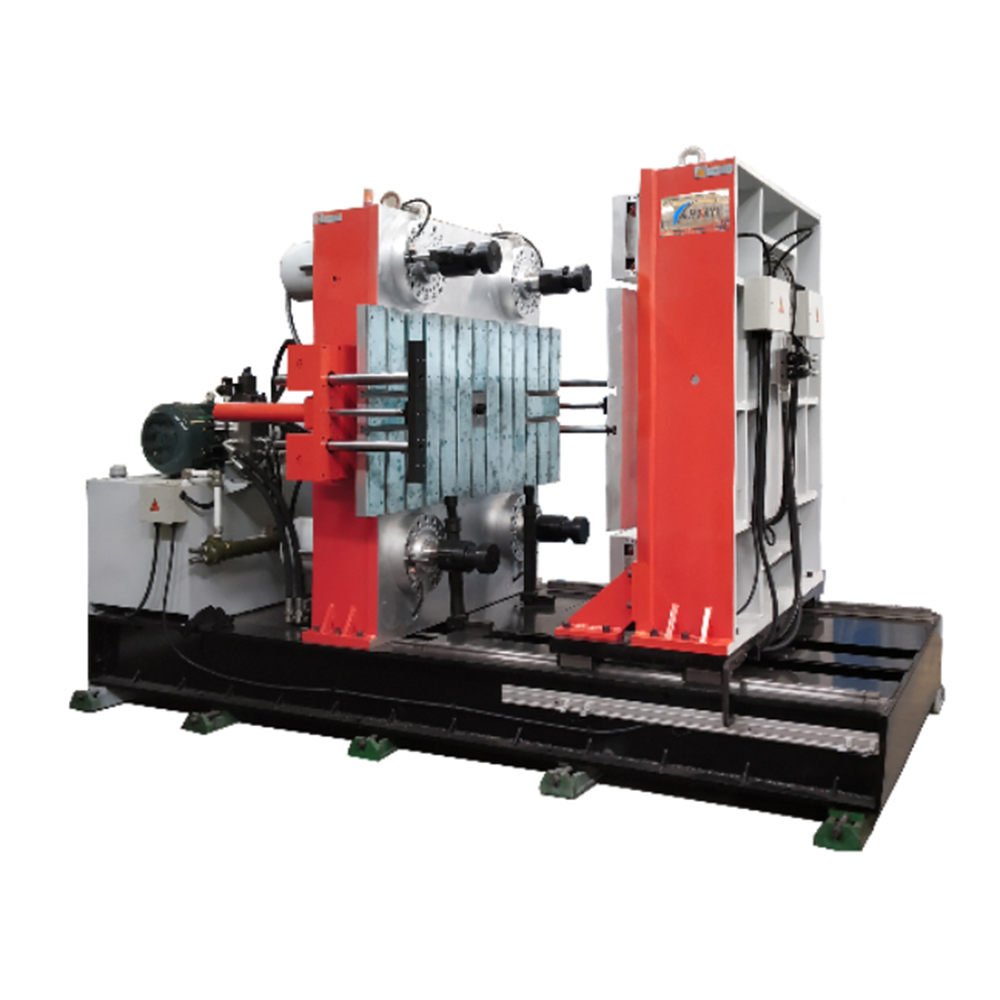
Many shops see acceptable cycle times yet still struggle with flash, short shots, or torn runners. The root often isn’t the mold alone but how the machine manages staged injection profiles, dwell, and timed ejection. That interplay determines reproducible shot size, consistent cavity fill, and clean part release. Manufacturers who retrofit or buy an lsr molding machine or a silicone injection molding machine frequently underestimate how much control logic—rather than raw tonnage—affects yield.
Why multi-stage injection matters
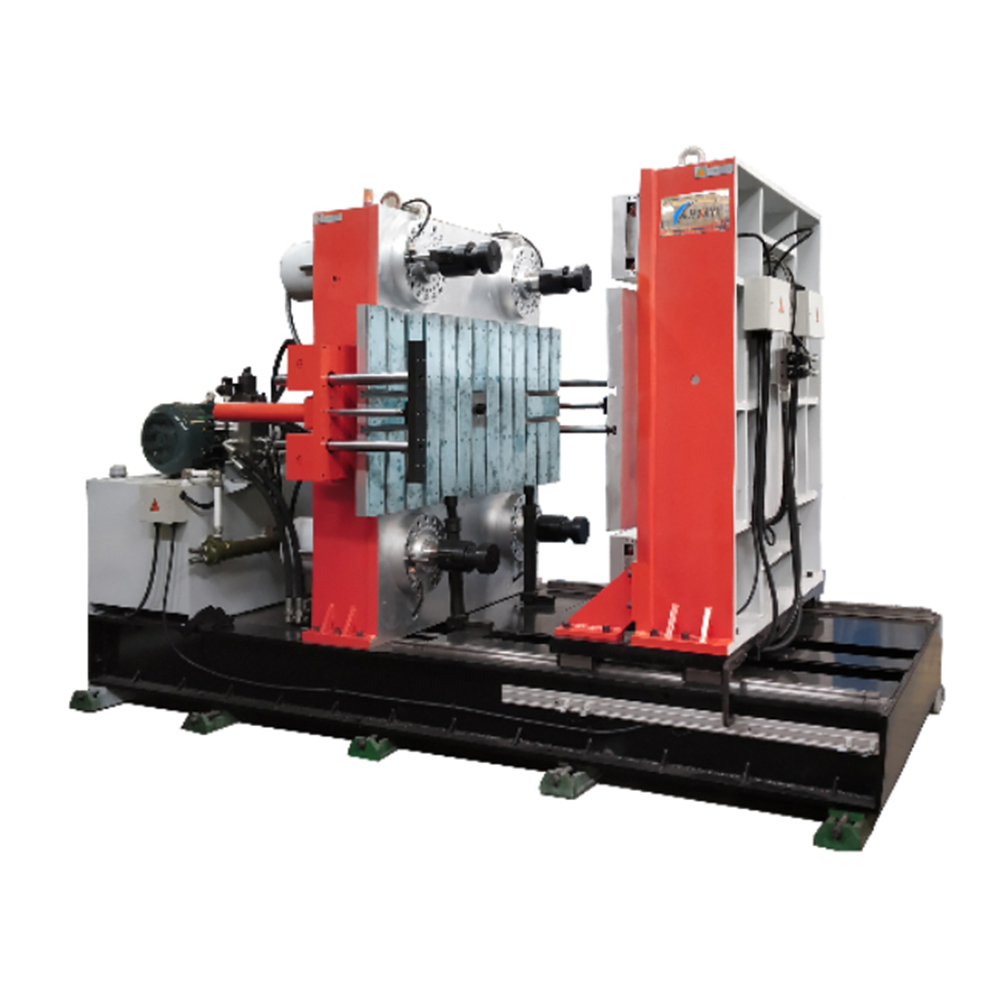
Silicone and liquid silicone rubber (LSR) behave differently from thermoplastics: viscosity changes under shear, and cure can start during extended dwell. A multi-stage injection profile lets you tailor velocity and pressure across the shot so the plunger doesn’t overcompress early or underfill late. Proper profiling balances shear heating and prevents cold slugs in peripheral cavities. Clamping force is necessary, yes—but precise pressure transitions and controlled back-pressure are what keep the cavity balanced and the runner system intact.
Common mistakes and practical fixes
Operators often default to one-speed fills or high initial pressure to reduce cycle time. That leads to torn runners or inconsistent vulcanization. Instead, implement a stepped injection: fast initial velocity to overcome viscous drag, a mid-stage hold to let gates fill, then a low-pressure pack to reduce flash. For ejection control, timed, programmable strokes beat fixed cam ejection: sensors tied to cavity pressure or temperature improve timing and reduce deformation.
For hands-on shops: recalibrate shot size with a calibrated accumulator, verify pressure transducers against known loads, and profile a few cycles at production temperature rather than ambient. These changes are low-cost but high-impact—especially for multi-cavity molds where cavity balancing and venting make or break yield.
Real-world anchor and industry context
Consider supply chains around Stuttgart, where automotive suppliers moved to tighter tolerances for silicone seals over the last decade. Plants that combined refined injection profiling with smarter ejection controls cut scrap by measurable amounts and improved first-pass yield. This isn’t theoretical—OEMs there reported fewer warranty claims after updating process control rather than just upgrading presses.
Comparing machine controls and what to look for
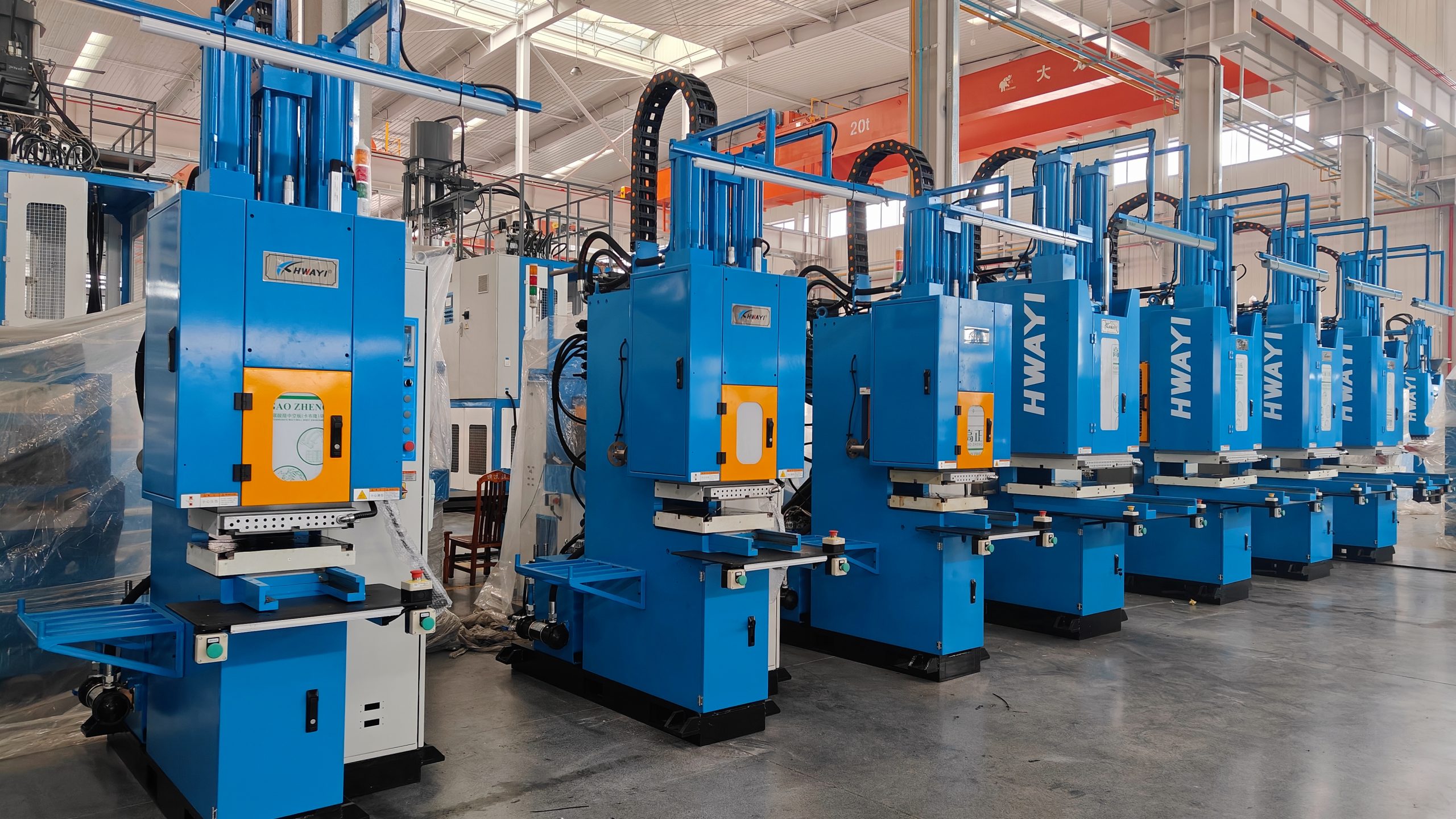
Not all C-frame hydraulics are equal. Compare machines on these concrete attributes: controller resolution for pressure and position, availability of multi-stage recipes, and sensor integration for cavity pressure or temperature. A machine with closed-loop pressure control and programmable ejection sequences will handle LSR and delicate geometries with fewer rejects. Also note cycle-to-cycle repeatability in the spec sheet—small variances in stroke or timing compound across thousands of parts.
Common pitfalls during adoption
Teams rush to automate recipe libraries without validating them across mold variants. They also tend to ignore ejection dynamics—lead pins and stripper plates can distort soft silicone unless the ejection profile is gradual and coordinated with cooling time. Train technicians to read cavity pressure curves and correlate them with part geometry; this practice short-circuits many debugging cycles. —A short note: invest in basic data logging. It pays back quickly when diagnosing intermittent defects.
Advisory — three evaluation metrics to choose wisely
1) Control granularity: Measure the minimum increment for pressure and position changes. Choose machines offering high-resolution control so you can sculpt injection velocity and packing precisely.
2) Sensor interoperability: Confirm the press accepts cavity pressure and temperature inputs natively, and that the controller can trigger ejection based on those signals rather than fixed timers.
3) Repeatability over throughput: Look at long-run repeatability data (not just peak tonnage). A press that holds shot-to-shot variance within narrow bands will reduce scrap and save time tuning molds.
The right machine and process approach reduce defects and shorten ramp-up. And when the solution needs to scale across plants or regions, HWAYI provides platforms built for the control fidelity and integration that modern silicone work demands — HWAYI. —