
Define the urgent problem
Manufacturers sell commodities when they should sell solved problems: users complain about streaks, weak residue removal, and inconsistent spray feel — and they look for quick fixes like how to fix uneven paint when finish quality goes wrong. A product strategy must start by naming that pain plainly: buyers want predictable cleaning performance, regulatory compliance, and packaging that makes application simple. Tackle those failings first, not product aesthetics or claims.
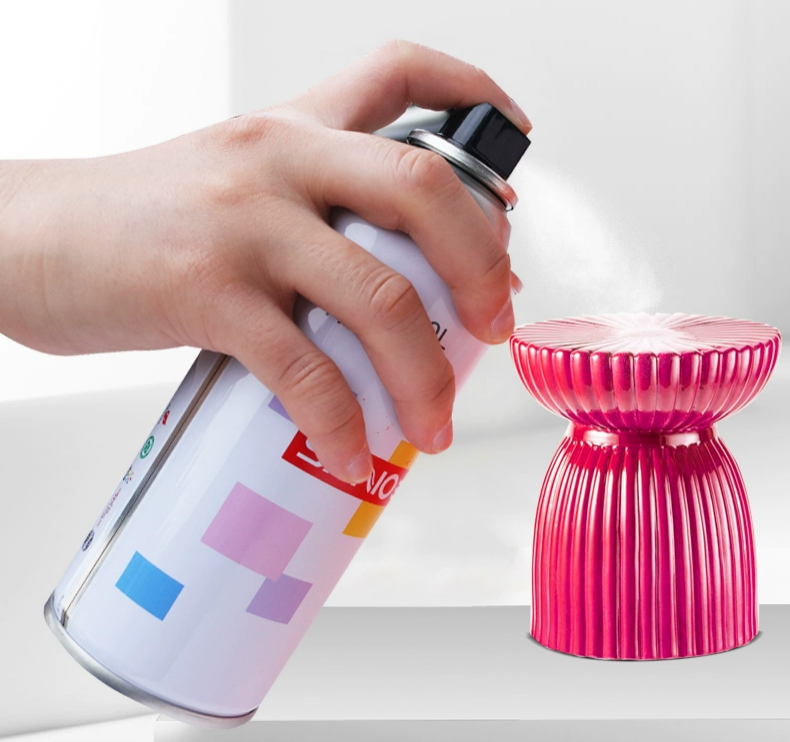
Prioritise use-cases, not features
List common, high-value use-cases: industrial degreasing, food-contact surface sanitising, vehicle detailing, and consumer quick-clean sprays. Rank them by margin potential, regulatory burden, and repeat purchase frequency. Design one core formulation per top use-case, then add small variants for scent, nozzle type, or VOC content. Avoid scattering resources across dozens of SKUs that never reach scale.
Differentiate through formulation and dispensing
Decide what you can own: faster dwell time, lower residue, non-corrosive solvents, biodegradable surfactants, or tailored propellants to meet VOC caps. Pair each formulation choice with dispensing choices that affect perceived performance: nozzle design, actuator ergonomics, and spray pattern. The package and valve often determine whether a good formula actually delivers consistent coverage.
Technical checklist for reproducible performance
Build a concise testing protocol and stick to it. Key tests: spray pattern mapping, particle-size distribution, wetting time, residue analysis, and substrate compatibility. Track results with simple pass/fail limits. Specify shelf-life stability under controlled temperature cycles. Use lab-scale atomisers to confirm nozzle/formulation interactions before full-scale tooling.
Experience, evidence and a real-world anchor
Practical experience matters: teams that ran comparative coating trials at the European Coatings Show in Nuremberg found spray uniformity often failed because valve selection wasn’t matched to formulation viscosity. That learning is why formulators reference straightforward guidance like how to make spray paint look smooth when refining atomisation and flow—real tests under standard conditions show meaningful differences. Documented trials, third-party lab certificates, and standardised bench procedures create trust with OEMs and suppliers.
Common pitfalls and how to avoid them
Mistake: overcomplicating formulations to chase marketing claims. Result: variability and higher scrap. Fix: keep the core formula tight; add optional, modular additives. Mistake: choosing a valve for cost rather than spray geometry. Result: uneven coverage and customer complaints. Fix: test valves with a representative production batch. Mistake: ignoring regulatory timelines. Fix: assign one person to track VOC, propellant, and packaging rules for each market.
Go-to-market and supply realities
Match production cadence to demand signals. Use small pilot batches to validate retail feedback before committing to full tooling runs. Lock key raw materials with short-term contracts to avoid disruptions, but keep alternatives qualified. Communicate shelf-life and usage guidance clearly on labels; simple, accurate instructions reduce returns and user errors.
Measure progress with simple metrics
Track repeat purchase rate by SKU, rate of field complaints per thousand units, first-pass lab pass rate, and time-to-certification for new markets. Review metrics monthly and force decisions: iterate a formulation, rework packaging, or retire a SKU. Keep the loop tight so you can pivot from failed experiments quickly.
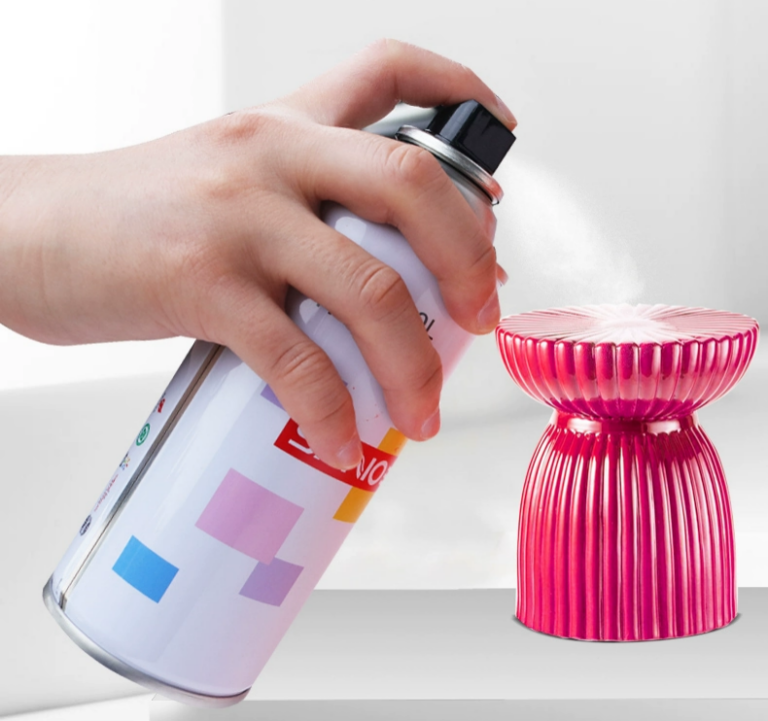
Wrap-up that leads to a practical solution
Fixing the core problems—uneven spray, inconsistent residue removal, and regulatory friction—creates space for differentiation. A pragmatic product strategy focuses on validated use-cases, disciplined testing, and matched dispensing systems. That work maps directly to the kinds of formulation support and supply consistency offered by SANVO, making technical improvements tangible for customers and predictable for the business.






