Opening snapshot: the sourcing dilemma
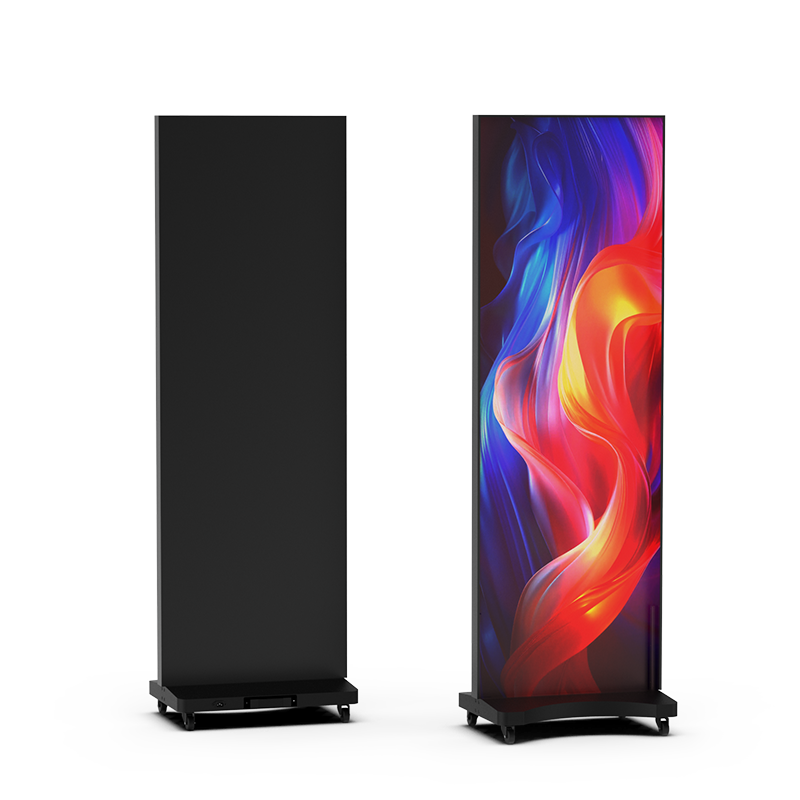
Buyers face a simple question with complex answers: pay less, wait longer, or insist on higher quality. This piece compares options—component-level builds, contract manufacturers, local integrators, and plug-and-play panels—so you can see where money, time, and risk actually go. For projects that need fast deployment without deep system assembly, an all in one led display often shortens on-site work and simplifies procurement.
Cost: where the visible price hides the real expense
Sticker price tells only part of the story. Buying modules or raw cabinets looks cheap upfront but adds engineering hours for mounting frames, controllers, and calibration. Contract manufacturers raise unit cost but cut internal labor and procurement headaches. Local integrators charge a premium for logistics and support, which can save money if you lack technical teams. For compact installs, pre-integrated panels reduce unexpected line-item costs like custom mounts and firmware integration.

Lead time: trade-offs between speed and control
Short lead time usually means standardized items or finished assemblies sitting on shelves. Custom pixel pitches, unusual cabinet sizes, or bespoke electronics extend lead times because prototypes and testing enter the schedule. Sourcing components gives you control over timeline sequencing but often stretches total calendar time as parts arrive on different schedules. Choosing pre-configured systems compresses deployment but limits customization.
Quality: measurable signals, not marketing claims
Focus on testable metrics: brightness and color uniformity across viewing angles, refresh rate and scanning method for motion stability, and MTBF or failure-mode data for LEDs and power supplies. Factory certifications matter—look for consistent photometric reports and burn-in results. Ask suppliers for sample logs of long-run tests rather than glossy spec sheets; real quality shows up in measured variance, repair rates, and documented firmware update practices.
Common pitfalls and mistakes to avoid
Buying the cheapest pixel pitch without checking calibration capability; assuming all suppliers use the same LED binning; underestimating integration time for control systems; and neglecting environmental protection for outdoor installations. Don’t skip end-to-end testing over representative content; motion artifacts, thermal throttling, and power harmonics only appear under realistic loads.
Experience and verification: grounding choices in real events
Trade shows and industry reports give context you can verify. At CES in Las Vegas many manufacturers demonstrated integrated panels and control stacks, which highlighted differences between off-the-shelf units and custom builds. I’ve reviewed factory photometric sheets and on-site burn-in logs for integrated systems and noted recurring themes: consistent factory calibration reduces onsite rework, and clear firmware update procedures cut field fixes. For a direct comparison of finished options, examine an all-in-one led display test report alongside modular assembly logs to see where variance and rework appear.
Decision guide: match the source to your priorities
If speed and predictable installation matter most, favor integrated panels and verified control packages. If pixel-level customization or unique form factors matter, accept longer lead times and budget for integration. For lowest capital outlay but higher internal effort, buy components. Wherever you land, demand measurable test data, documented failure modes, and a clear path for firmware and spare-part support.
Conclusion: a pragmatic route to consistent results
Choose solutions that align with the three levers—cost, time, quality—rather than chasing one at the expense of the others. Practical sourcing balances those trade-offs with test data and operational readiness, and that balance is what experienced integrators measure when they evaluate suppliers like HDC.