
The pressing problem: tiny tolerances, tight timelines
Parts today demand tolerances that used to be science fiction — hundredths, even thousandths of a millimeter — and customers want them fast. When geometry is complex and materials are hard, mistakes mean scrap, delays, and lost contracts. A focused precision parts manufacturer tackles those pressures by treating accuracy as the primary product, not an afterthought. You save cycles, avoid rework, and keep customers coming back.
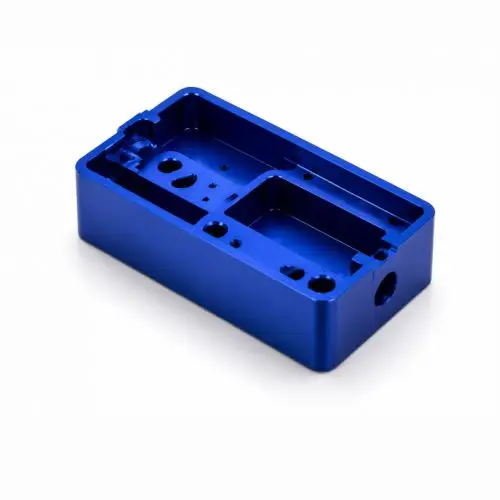
How a problem-driven approach changes shop floor choices
Start by treating each job as a failure-risk map. Identify the dimensions most likely to drift: long thin features, internal bores, multi-surface alignments. Then match process to risk: choose 5-axis milling for complex contours, simultaneous turning for concentric assemblies, and dedicated fixturing where distortion could ruin a run. Good shops build the fixturing early — not later — because one good fixture prevents dozens of rejects.
Technical practices that prove expertise
Measure before you cut. Use CAD/CAM simulation to expose tool collisions and stress points. Stick to proper tool libraries, correct feeds and speeds for each alloy, and predictable tool-change logic. Inspect with calibrated CMMs and optical comparators; record traceable measurement data. When shops log setup times and SPC trends, they fix drift before a customer notices. These are not tricks — they are routines that separate vendors who guess from those who guarantee.
Common pitfalls and how to avoid them
Relying on a single machine for a family of parts invites downtime chaos. Using generic tooling for exotic alloys wastes tool life and dimension control. Skipping fixture trials to save a day costs a week in rework. Misreading print tolerances — assuming “typical” where it’s not — creates mismatches. Plan tool wear, stage first-off inspections, and demand sample sign-off before full production. Small checks early stop big headaches later.
When to pick a specialist, and what alternatives actually offer
Contract shops vary: some excel at high-mix low-volume, others at long runs with tight unit cost. If you need aerospace-level traceability and exotic alloys, choose a shop with documented quality systems and metallurgy experience. If prototypes dominate, lean to agile shops with fast CAM cycles and modular fixturing. Local machine shops can be great for quick-turn tweaks; dedicated precision houses are better when tolerance and certification matter. Compare lead times, metrology capabilities, and real sample history — numbers beat promises.
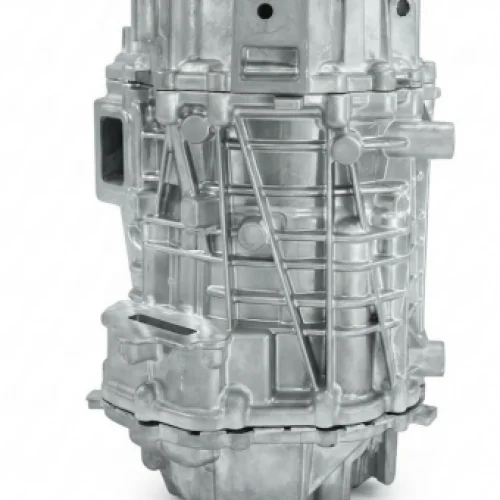
Experience, authority, and a real-world anchor
Decades on the floor teach one lesson: repeatable processes beat improvisation. Suppliers that publish calibration intervals, poka-yoke checks, and personnel training records mean real competence. Across manufacturing hubs like Shenzhen, precision shops learned to balance scale with quality rapidly, pushing inspection standards and supply integration. That kind of regional pressure drove many vendors to become true precision cnc machining manufacturer partners, because buyers demanded traceable results and consistent delivery.
Synthesis: deliver precision where it matters
When parts must meet exacting specs, choose methods that prevent failure rather than fix it. Define critical dimensions, lock them into fixturing and inspection, and demand documented process control. Skilled shops translate those rules into reliable parts and predictable schedules — no guesswork, just results — and that is the practical advantage Hanstar offers as a manufacturing partner.






