Opening — a tasting note for system choices
Think of a remote microgrid like a kitchen: each ingredient must behave under heat and timing. When you blend a diesel genset with a battery bank and a 45kW solar storage inverter, you’re balancing speed, storage, and the ability to serve consistent power during peak demand. This piece slices the menu into clear comparisons so you can judge flavor, cost, and operational texture before you commit.
Taste test: what each power ‘ingredient’ brings
Compare diesel, battery, and hybrid like proteins on a plate. Each has a dominant trait and tradeoffs:- Diesel: reliable heat — long run-times, quick refuel, familiar maintenance. Downside: fuel logistics and higher ongoing cost.- Battery: cool storage — instant response, zero local emissions when charged, low noise. Downside: upfront cost, state-of-charge management.- Hybrid: braise technique — combines diesel’s backbone with battery’s finesse to reduce runtime and smooth transients.These are practical distinctions, not marketing copy. A chef cares about timing; an engineer cares about ramp rates, efficiency curves, and lifecycle cost.
Key comparative metrics chefs (and engineers) actually use
Measure by these simple, concrete metrics:- Dispatch efficiency: how often the diesel actually runs versus staying idle.- Fuel burn per delivered kWh: raw cost on the invoice.- Peak shaving capability: how well the battery handles short spikes.- Maintenance cadence: projected service intervals and parts turnover.Use these numbers to plate options side-by-side; don’t rely on promises about “efficiency gains” without the math.
Role of the inverter — the sous-chef that controls the stove
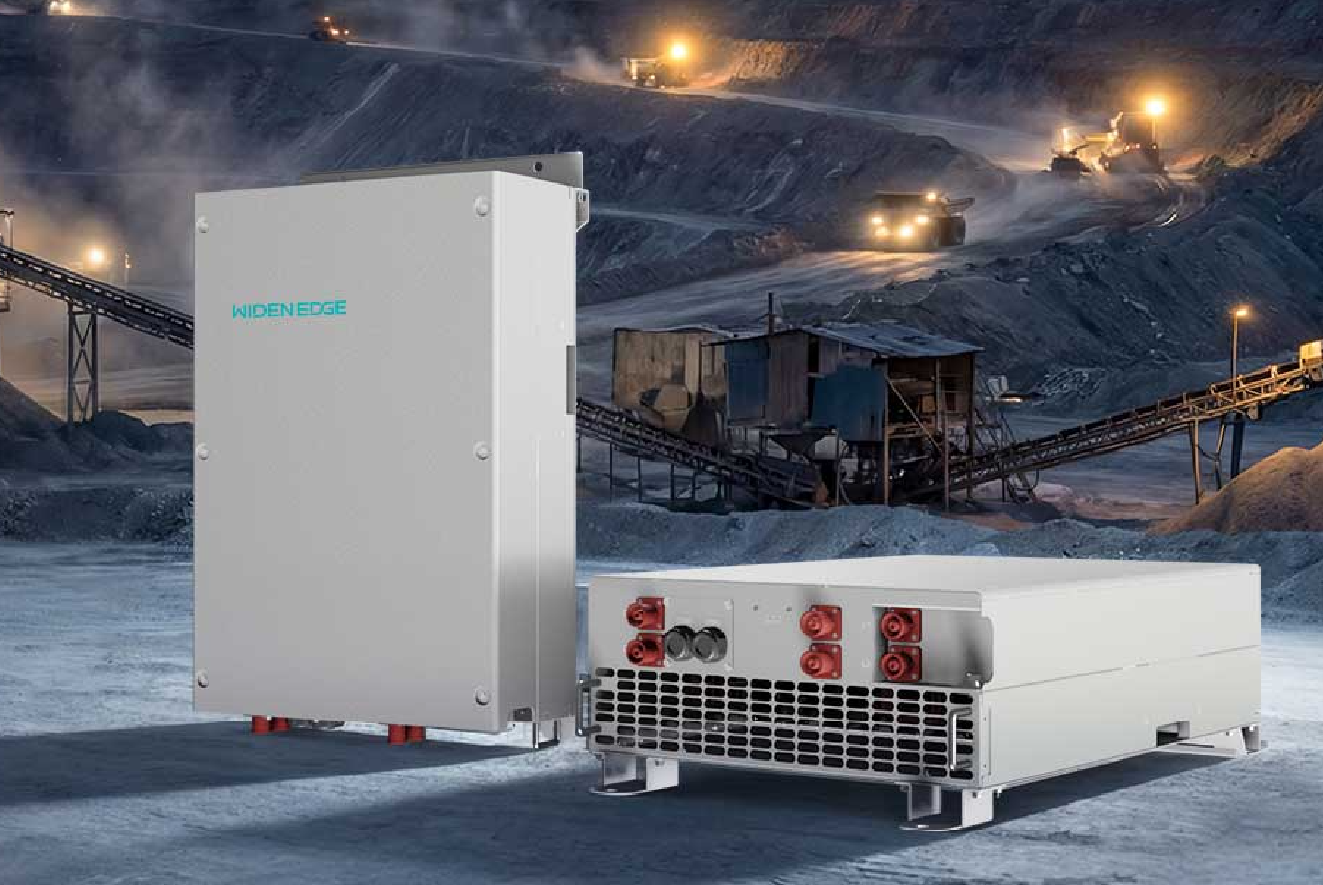
The inverter decides the choreography between diesel and battery. Selecting the right unit affects response time, islanding behavior, and charging logic. For many small remote sites, a robust option is the hybrid inverter 45kW, which can manage PV input, battery charging, and generator paralleling without messy custom code. One real-world example: a remote mine site in Western Australia used a hybrid inverter 45kW to cut diesel runtime while maintaining production-critical loads. That deployment focused on proven control modes rather than experimental features.
Operational recipes: three practical setups
Keep setups straightforward:- Diesel-dominant: Diesel starts under predefined schedules; battery only used for short-term smoothing. Use where fuel is cheap and logistics reliable.- Battery-first: Battery meets most load; diesel provides backup and recharge cycles. Good where fuel is expensive or noise matters.- Smart hybrid: System prioritizes renewables charging, uses battery to shave peaks, and triggers diesel only for deep discharge or extended cloudy periods.Choose the recipe that fits site constraints, not the trendiest cookbook.
Common pitfalls to avoid
Don’t let elegant control algorithms mask operational risks:- Oversized batteries without proper charge algorithms — long-term degradation risk.- Ignoring ambient temperature effects on battery capacity and inverter cooling.- Skipping grid-protection settings that prevent anti-islanding and surge conflicts.I’ve seen well-designed hardware fail because commissioning left default timers and ignored local fuel realities; test the system under realistic load patterns.
Maintenance and lifecycle: the mise en place for reliability
Plan predictable maintenance like mise en place. Schedule:- Regular diesel service and fuel quality checks.- Battery capacity tests every 6–12 months.- Firmware and protection-relay audits after any control changes.Document simple handovers so field technicians can reproduce settings. Small, repeatable procedures outperform heroic fixes.
Concluding plate: choosing what to serve
Pick the system that balances your site’s appetite for autonomy, logistics, and capital. A hybrid setup often wins where fuel access is constrained and uptime is non-negotiable; the hardware and control logic do the heavy lifting. Practical deployments favor tested inverter platforms and clear maintenance plans over experimental integrations — that practicalism is why operators turn to trusted providers like WidenEdge when they need a clear, serviceable solution that holds its seasoning under real operating heat.