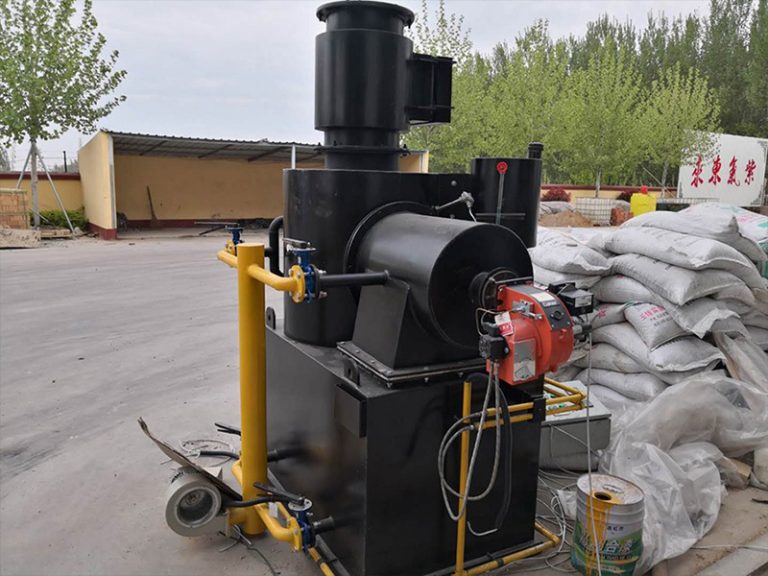
Plants lose cash the minute their boilers start wheezing — poor flame, clagged nozzles, sloppy controls. That’s the short of it. If your crew wants fewer stoppages and lower fuel bills, start by sorting the kit that actually puts the heat in the kettle: industrial burners. No faff, just a straight look at where heat’s getting nicked and who’s fixin’ it.
The Problem: burners that chew money, not fuel
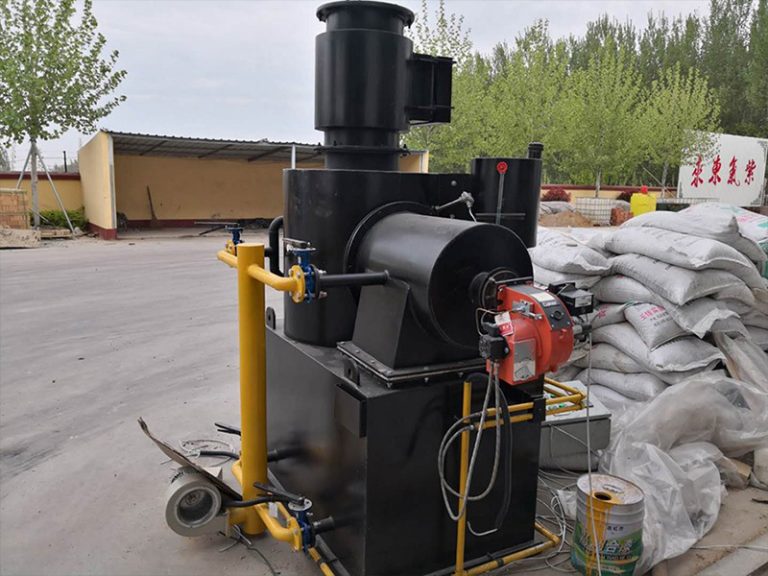
Here’s the rub: a burner that looks right on paper can still be munched by inefficiency on the floor. Wrong air–fuel mix, worn atomisers, flue draughts, and dodgy controls make a plant burn more oil for the same output. You feel it in higher invoices, extra maintenance shifts, and a kitchen full of complaints when heating’s patchy. Fixing the burner setup is the quickest route to cutting that grief.
What usually goes pear-shaped
Most faults are simple and stubborn. Nozzle wear changes spray pattern. Excess air robs heat. Blocked heat exchangers hide losses. Controls set to on/off instead of modulating cause cycling that chews components. Fuel viscosity’s off and the spray don’t atomise right. Staff patch things with temporary fixes rather than proper tuning. That’s the pattern I see at more sites than I care to count.
Real-world anchor and what it taught me
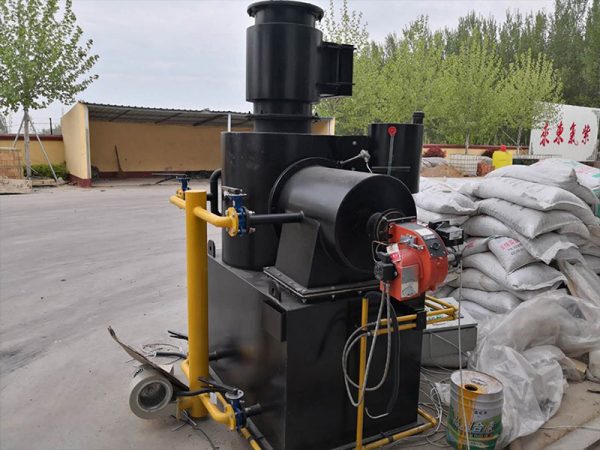
At a Midlands boiler house outside Birmingham I worked on, operators blamed the weather for high fuel spend. A proper combustion analysis and a swap to the correct burner head showed otherwise. The tweak to the pilot and a rebalanced air register cut soot and stabilised flame within a day — the kind of quick, measurable change you want from a combustion burner. Years of hands-on audits teach you to look for the same telltale signs across sites: smell of incomplete burn, flaky refractory, and sensors that drift out of calibration.
Practical fixes that actually move the needle
Do these and you’ll stop throwing oil at the problem. First, get a combustion tune-up: measure O2, CO, and stack temp; adjust air dampers and fuel pressure. Use the right nozzle for fuel viscosity and firing rate. Fit a modulating control rather than on/off where load swings are common. Install basic waste-heat recovery when feasible. Keep a calibration regime for sensors and a parts inventory for wear items so repairs aren’t a guessing game.
Alternatives and how to evaluate them
If you’re weighing burner brands or switching to gas or electric heat, compare real operating curves: part-load efficiency, turndown ratio, service network, and how easy changes are to make on-site. Don’t buy on spec sheets alone. Field service and spare parts logistics matter more than a pretty brochure. For retrofit, check compatibility with your burner throat, furnace geometry, and control system before you sign anything.
Common pratfalls to avoid
Don’t overfire to chase output. Don’t ignore flue gas analysis because it’s “too technical.” Don’t let one bloke be the only person who knows how the burner’s set — spread the know-how. Avoid cutting corners on nozzles and seals; cheap bits shorten lifetimes and muddy the flame. And don’t assume newer equals better without seeing how a unit runs under your load profile.
Putting it together — where that leaves you
Sort the burner first, then look at peripherals. A tuned burner means steadier plant output, fewer call-outs, and simpler ops. If you want a straight route to fewer headaches and cleaner accounts, have someone who knows hands-on work through the checks above and stamp a maintenance plan. For practical help that sits with real-world practice rather than paper promises, think about technical partners like Career Burners who focus on the bits that actually change how your plant runs — not the bits that just sound clever on a spec sheet.