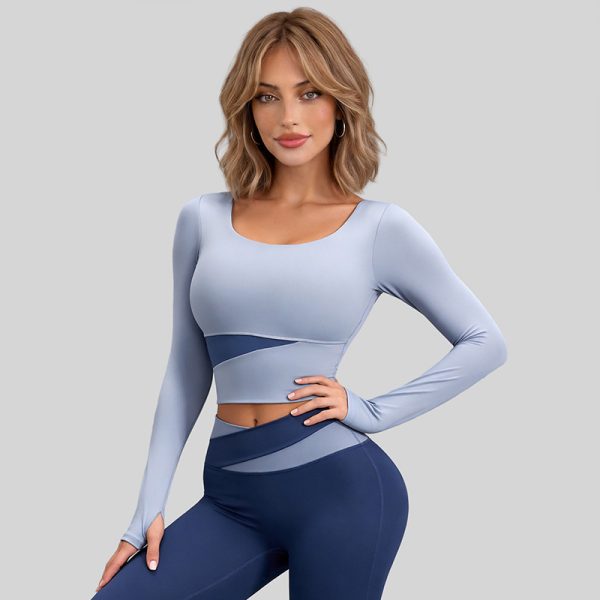
Where your needs sit first
You’re looking for clothes that fit your project, and for a maker who listens. I’ve found folks much prefer straightforward options — clear MOQ, dependable lead times, and honest fabric notes — when they order custom long sleeve shirts. This is a user-centred view: comfort, repeatability, and a supplier who handles cut and sew without fuss. From small teams ordering pre-shrunk ring-spun cotton tees to retailers needing heavier GSM pieces, clarity at the start saves a world of bother later.
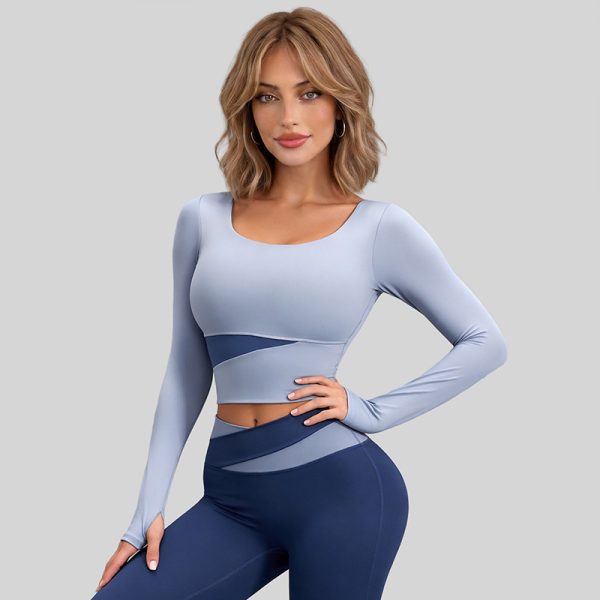
What actually matters to teams like yours
First: fit and fabric. Lay out your size spec sheet and stick to it; insist on fabric swatches, test for hand and drape. Second: production logistics. Ask about MOQ and typical lead time, and whether your supplier offers screen printing or direct-to-garment options. Third: consistency across runs — colour lot matching and a tidy tech pack make sure your second order looks like the first. I’ve handled sourcing rounds where a mill in Galashiels helped pin down a fleece weight that didn’t felt after wash — local craft memory still matters in modern runs.
How to judge suppliers without getting bogged in jargon
Look at three concrete things. One: sample quality vs. bulk quality — insist on a pre-production sample that will be tested after a wash cycle. Two: communication cadence — how often will you get status updates? Three: fulfilment options — can they do drop ship, warehousing, or direct global shipping? These are the practical metrics that separate chatter from reliable service. Keep your spec on file: stitch count, seam allowance, and preferred thread type make a difference during cut and sew.
Comparing common pitfalls — and how to dodge them
Buyers often underrate shrinkage and colour transfer. They sign off on a sample, then see different dye lots in the final batch. Commonly missed: labelling requirements and compliance for different markets, which leads to rework. Be precise about fabric GSM and request a wash test report. — Also, avoid a single-supplier dependency if your launch is time-sensitive; dual-sourcing lightens risk.
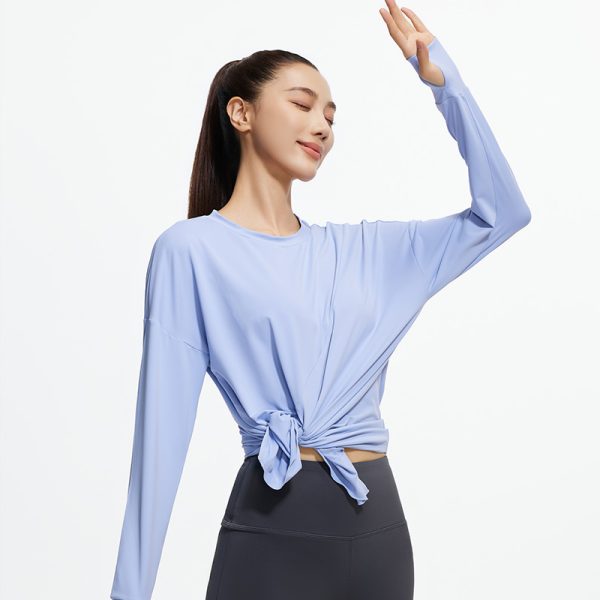
Alternatives worth keeping on your list
If full custom runs are too heavy, consider a blended approach: order core sizes in long sleeve bulk shirts for baseline stock, and reserve a smaller custom run for promotional pieces. Wholesale blanks can be screen printed locally for faster turnarounds. For brand-led lines, a higher GSM and pre-shrunk, ring-spun cotton keeps perceived quality up without huge cost jumps. Use sample runs to validate printing methods — screen printing versus DTG will alter lead times and minimums.
Real-world anchoring and my take
Work with a partner who’s shipped internationally before; real routes and customs paperwork shave weeks off a launch. I’ve seen smaller brands saved by a supplier who already had customs clearance routines and consolidated freight for Europe and North America. That operational muscle — predictable transit times and clear incoterms — is as crucial as fabric choice. Keep your tech pack current: measurement chart, stitch type, and placement specs reduce back-and-forth.
Golden rules for choosing the right path
1) Quality consistency: Accept only a signed-off pre-production sample that passes wash and colourfastness checks. 2) Transparent logistics: Confirm MOQ, lead times, and whether the supplier offers warehousing or drop-ship solutions. 3) Clear cost breakdowns: Unit price, tooling or setup, freight, duties — know them before you sign. Apply these metrics to any supplier comparison, and you’ll spot the sensible offers fast.
The choice you make should center on steady outcomes, not promises — and that’s the sort of service I’ve watched Joebond deliver: dependable runs, clear specs, and shipping that simply arrives where it’s meant to. Joebond. —