A Fork in the Line: Timing Your Next Upgrade
You can hear it before you see it: belts whispering, cutters ticking, the warm breath of the laminator. The PV module line glows under white lights, steady as a metronome. Teams compare specs for battery manufacturing equipment to benchmark precision—because clean, repeatable motion and tight process control taste the same across factories (almost like salt in every kitchen). Yet a small scrap swing or a slow changeover can drain margin without a sound. A few minutes lost at the stringer, a re-test at the IV station, a short pause at AOI—tiny bites add up. So when should you rethink the line, instead of patching it yet again?
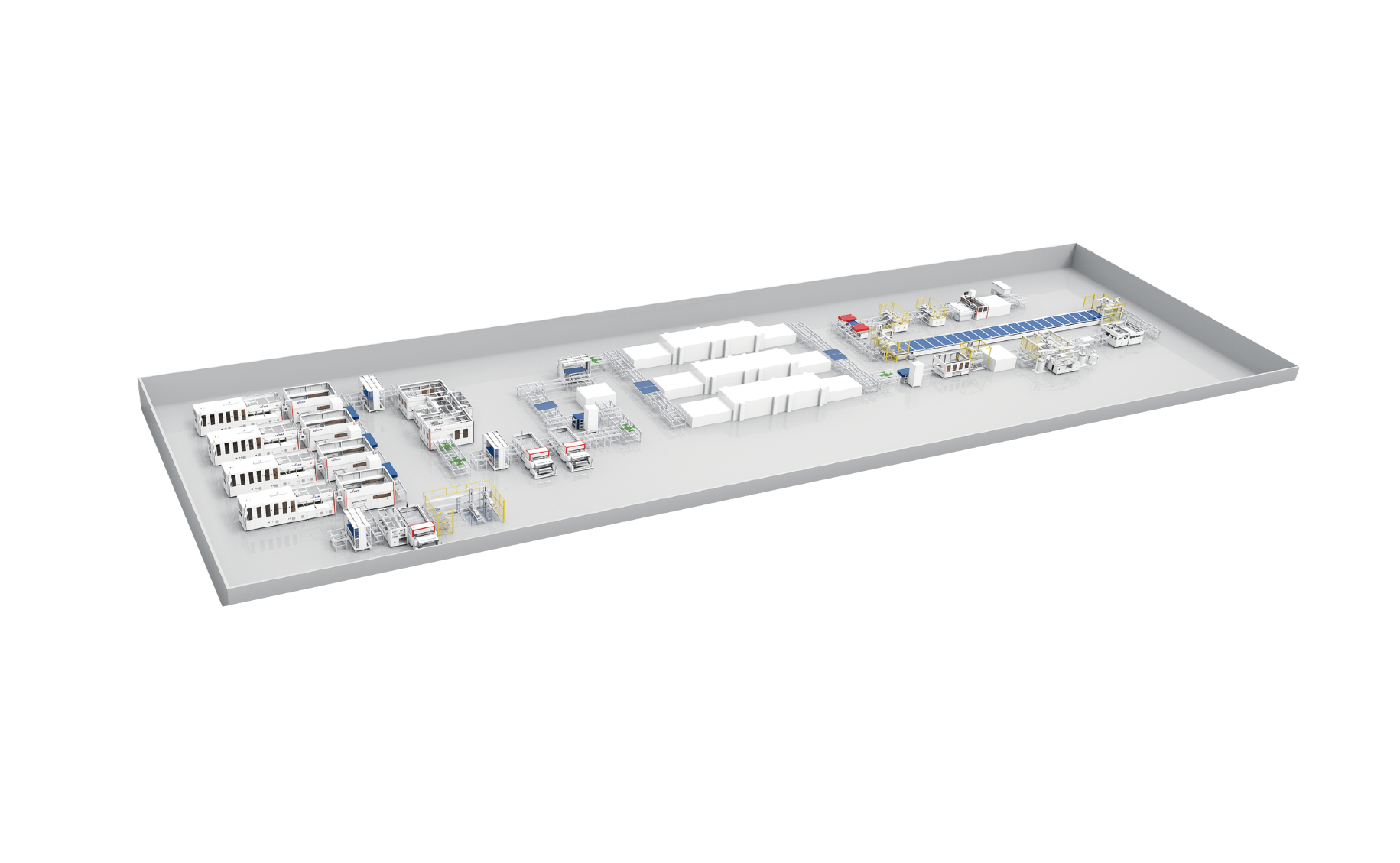
Here is the short test: listen to the floor, scan the data, then ask if the work feels smooth. If not, let’s move to what the numbers often hide—and why that matters next.
The Deeper Layer: Hidden Bottlenecks in Legacy Lines
Where do bottlenecks hide?
Technical view. The dashboard says “green,” but the flow says “wait.” Many legacy cells-and-strings setups stall at the stringer when recipes change. Tooling for a new busbar layout, or a tweak in tabbing tension, can ripple across the shift. Electroluminescence checks catch micro-cracks, yet misaligned cameras trigger false alarms. Then the IV curve re-test queue grows. Look, it’s simpler than you think: your takt is fine; your micro-stops are not—funny how that works, right? Add in lamination cool-down drift, and the quiet minutes multiply. Each pause is small, but together they form a line inside the line.
Data view. MES shows output; SCADA shows uptime. But the gap between them is the pain. Labels get reprinted. Operators babysit AOI alerts. Work-in-process piles up in cold spots while the laminator runs hot. You see yield drift and blame PID or handling, yet it’s often routing and re-queues. Edge computing nodes could filter noise at the camera and close loops faster, but they are missing in many plants. Meanwhile, quality teams chase symptoms. The result: hours lost to chasing ghosts, not causes—and that costs more than a spare part ever will.
From Patchwork to Platform: What’s Next for Smarter Lines
What’s Next
Let’s switch to a comparative lens. Retrofitting keeps today’s rhythm; platform upgrades change the score. New technology principles simplify flow: inline sensors feed edge computing nodes; AOI and electroluminescence share a single model; the IV curve tracer pushes corrections upstream in real time. Closed-loop control nudges tabbing heat and tension through smarter power converters, not operator guesswork. Recipe logic follows each panel through the route, so changeovers shrink to a click—and that’s fine. Vendors known for battery manufacturing equipment bring modular frames, unified motion stacks, and a digital thread. The big win is not a faster island; it’s a calmer line.
So, what should you measure as you choose the path? Aim for three clear checks: 1) conversion of alarms to actions within a set window, like sub-60 seconds from AOI flag to fix; 2) changeover time per recipe, from last good to first good, normalized by crew size; 3) stable cost per watt across shifts, not just at week’s end. If your retrofit cannot hit two of the three, a platform shift is due. The lesson is simple: seek flow, then speed; hunt root causes, then parts. Keep the senses sharp—the hum, the pace, the calm—and let the data follow. For a grounded view of integrated platforms and line design, see LEAD.