Introduction — a line, a crisis, and a question
We were on the factory floor at 6am — a new shift, a new batch, and the same old bottlenecks. A small machine stoppage can ripple out: missed runs, unhappy customers, and wasted rolls (I’ve seen whole reels scrapped more than once). As a wet wipes machine manufacturer, I watch these moments closely; industry figures say downtime can shave 10–20% off monthly throughput for small to mid-size lines, so it’s not trivial.
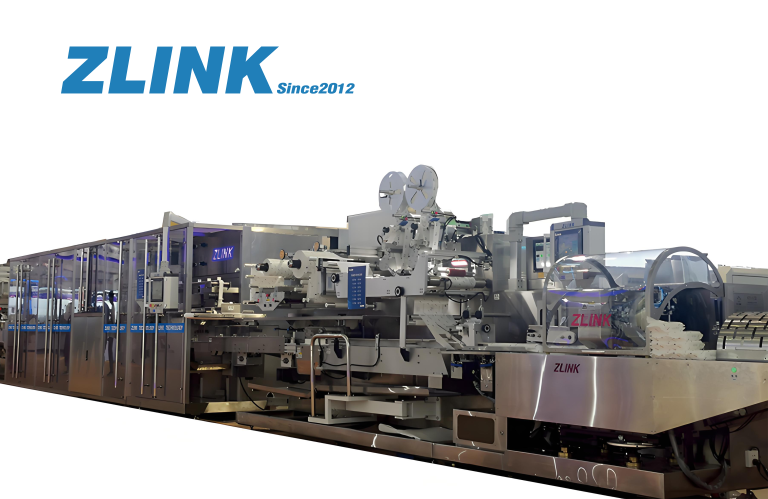
Why is it that with all the modern controls and modules — PLCs, tension control systems, servo motors — many lines still struggle to hit consistent speed, quality and yield? I’m asking because I want to help you spot the simple fixes before they cost you. So let’s unpack what’s actually going on, what’s been missed, and where to start.
(Spoiler: the obvious bits often matter most.) Next, I’ll dig into the parts of the process that quietly fail you — and why the usual “upgrade the controller” answer doesn’t always cut it.
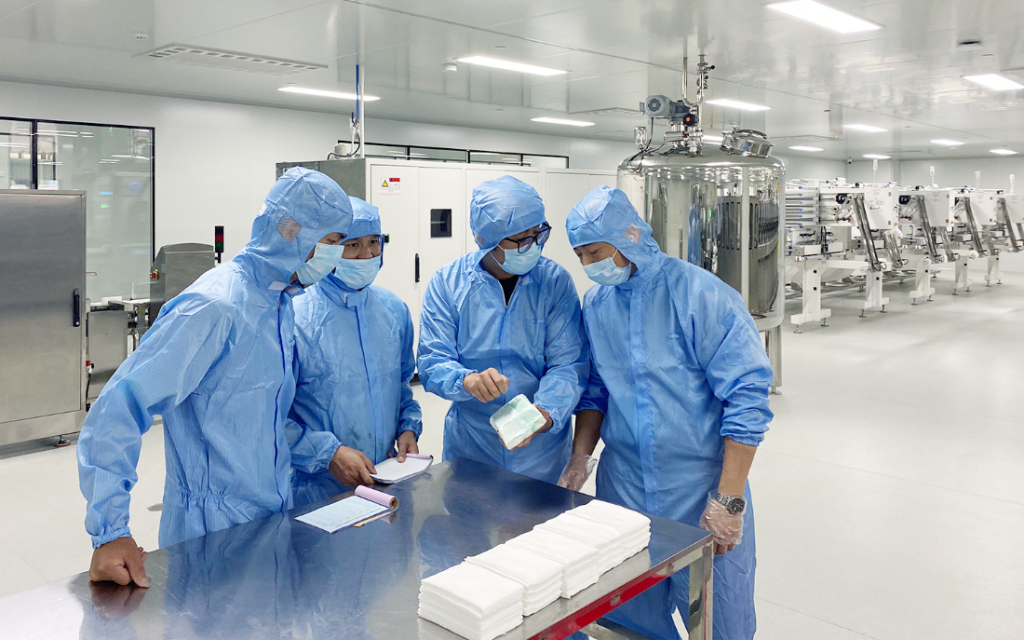
Deep dive — where traditional lines trip up (technical take)
wet wipes production machine lines look straightforward on paper: unwind, wet, fold, cut, seal, and rewind. But when you stand at the line, the problems are rarely single points — they’re system behaviours. I want to be frank: many legacy setups rely on generic motion profiles and basic PID loops. That used to work, but now the expectations for consistency and hygiene are higher. You get edge effects — web tracking errors, uneven dosing, or weak ultrasonic sealing — that show up only at speed. PLC scanning delays, mismatched servo tuning, and poor tension control all conspire to make a good recipe go rogue.
Look, it’s simpler than you think: most manufacturers under-invest in real-time feedback and layered control. They fit a PLC, set nominal speeds, and call it done. But without closed-loop dosing, web break detection, and adaptive tension, you’ll keep firefighting. I’ve seen lines where changing a cutter die or retuning the servo reduced scrap by 30% in a week — funny how that works, right? The takeaway: traditional fixes focus on parts, not behaviours. To get better yields you must look at system dynamics — how sensors, actuators and control logic talk — not just buy bigger gear.
So what exactly breaks down?
Tension drift, weak ultrasonic bonds, inconsistent wet pick-up, and lagging HMI alerts. Those are the common culprits. If your web-to-roll handling isn’t synchronised, downstream processes inherit variability. That’s why I favour a methodical audit of servo profiles, nozzle timing, and reel-to-reel tension loops before any heavy capex.
Forward-looking principles — new technology that actually helps
Moving forward, I’m more interested in principles than buzzwords. New wet wipes production machine designs pair smarter sensing with modular control. Instead of one-size-fits-all PLC programmes, we now use localised control nodes that handle specific tasks — real-time edge computing at the cutter, intelligent dosing controllers at the wetting station, and dedicated tension controllers for each unwind. These principles let you isolate faults fast and tune each section without bringing the whole line down.
What’s next — and practical — is combining predictive sensors with adaptive control. Add vision checks for fold accuracy, flow meters for dosing verification, and a small historian to track trends. When you spot drift early you prevent scrap, shorten changeovers, and make maintenance predictive instead of reactive. We’ve piloted setups where simple analytics flagged a nozzle clog 48 hours before it caused a run failure — saved hours of downtime and a stack of material. — small wins, big impact.
Real-world impact?
Here are three metrics I use when evaluating new equipment or upgrades: 1) Overall Equipment Effectiveness (OEE) improvement potential, 2) scrap/yield reduction per million wipes, and 3) mean time to repair (MTTR) for the line. Measure those before and after. If an upgrade doesn’t move two of the three, it’s cosmetic. I recommend you insist on measured baselines — don’t accept vendor promises alone.
In short, I’ve learned to pick pragmatic innovations: better sensors, localised control (not endless central complexity), and usable dashboards. You can modernise in steps rather than rip-and-replace. If you want upstream help or a test plan, we can sketch one together — I’ll show you where to start and what to measure. And if you’re comparing suppliers, keep an eye out for companies that back up claims with data and on-site tuning support — like ZLINK.