Introduction: Where Style Meets the Sunday Ride
Here’s the plain truth: looks pull us in, but fit keeps us riding. Many folks picture a quiet county road, a steady throttle, and the low rumble of steel and chrome. The vintage cruiser remains the poster child for that picture. Out on a calm stretch outside town, you can almost feel the wind taper off behind those wide bars. In shop notes and owner forums, a big chunk of riders still admit they pick style first. Seats, bars, and pipes come later—sometimes much later. And those changes can stack up.
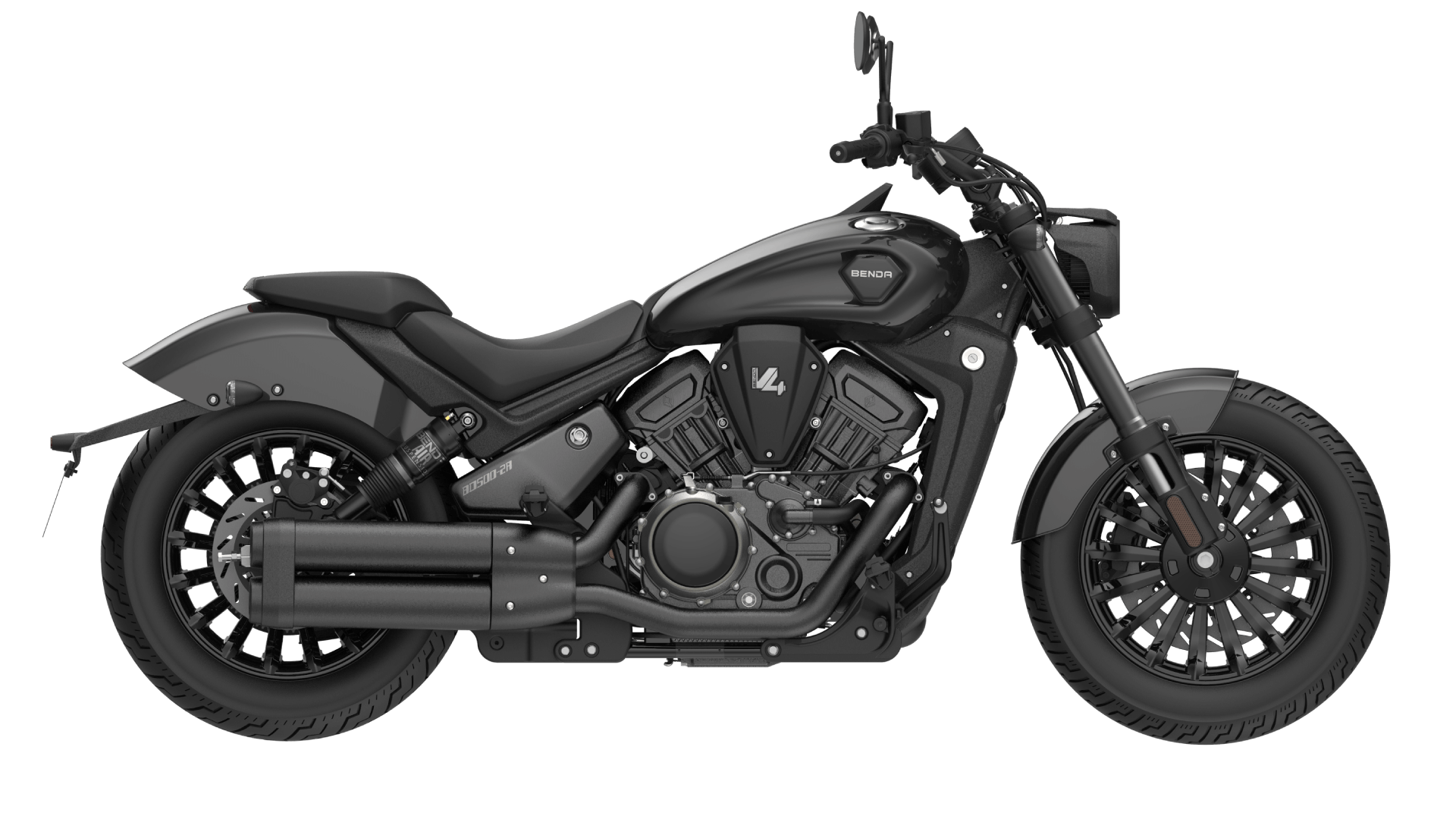
That’s the rub, isn’t it? You want the vibe, but you need the ride. Data from dealership walk-throughs often suggests comfort mods come right after delivery. A new saddle here, a riser kit there, a tweak to suspension preload. It works, to a point. But each part pushes on the next. The torque curve that felt smooth at 45 mph now buzzes at 55. The fuel mapping that ran fine in spring runs hot in July. So the real question: is the character worth the trade-offs (most days, sure)? Let’s look at where those choices turn from tweak to tax—and how to do better.
Hidden Trade-Offs Beneath the Paint: Retro Bobber Reality
When you move from a cruiser baseline to a retro bobber motorcycle, the math changes fast. Lower stance, shorter travel, narrow saddle. Great for feel. Tough on distance. Traditional answers—thicker seat foam, small bar risers, a different peg bracket—can help. But each fix nudges something else: swingarm geometry changes ride feedback; a riser shifts weight to wrists; the new pipe bumps decibels and heat. The wiring is another layer. LED swaps need stable power converters. That pulls on the CAN bus. One small add-on can trigger odd signals—funny how that works, right? The result is a ride that looks right but asks more of you mile by mile.
Why do classic fixes fall short?
Because the weak points hide in the system, not the part. A bobber’s compact frame leaves less room for heat shields and harness loops. Shorter wheelbase means quicker flicks, but also sharper bumps. You feel it in your knees and in your wrists. The torque curve shines down low, yet a tall gear ratio can lug the engine in town. Look, it’s simpler than you think: pile on small changes without a plan, and you stack stress. Better to map the goals—range, posture, and control—then choose parts in that order. A little structure beats a box of leftover spacers every time.
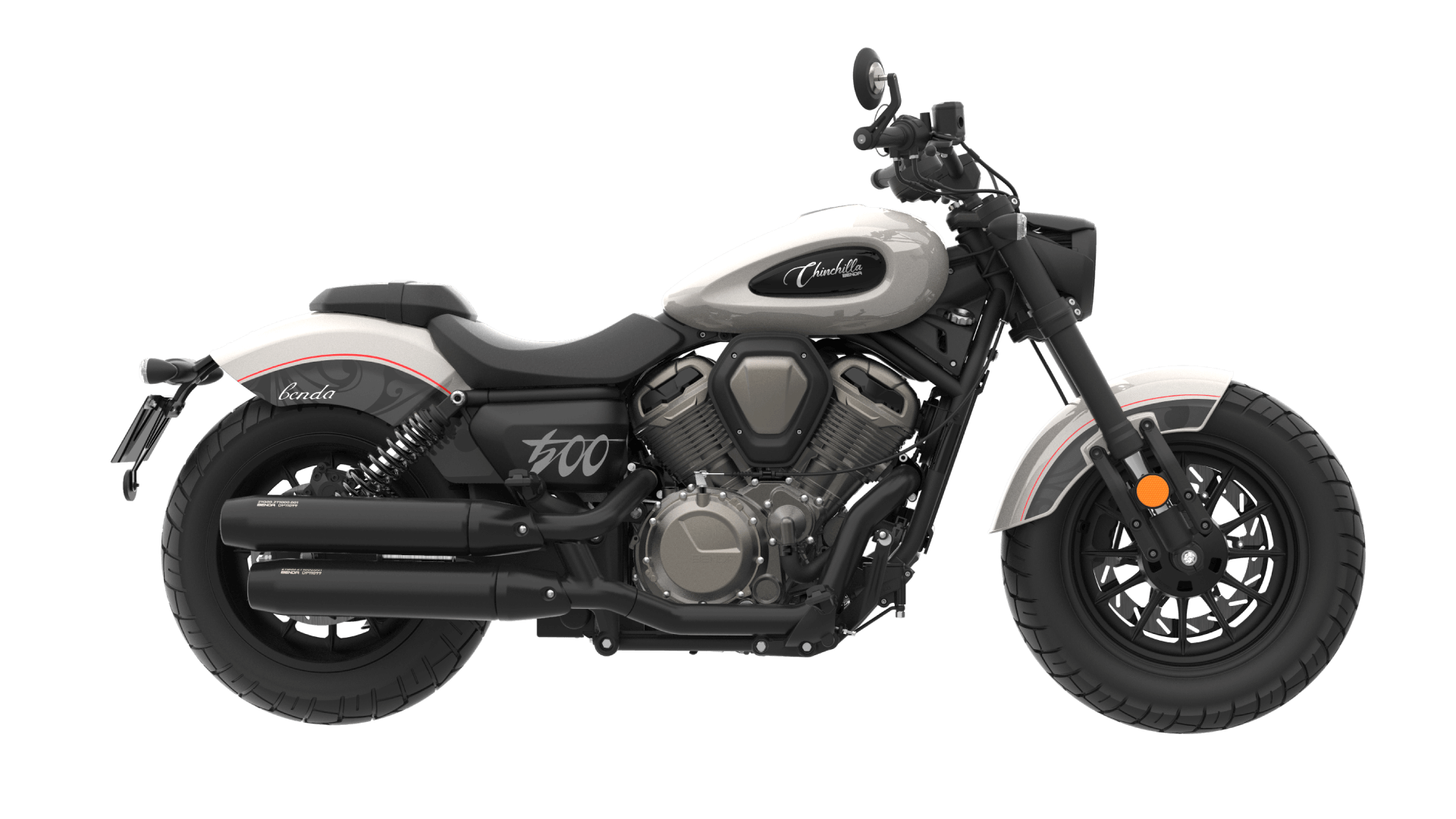
What’s Next: Comparing Smart Tech with Old-School Charm
Real-world Impact
So, how do you keep the soul and ease the strain? New layouts pair classic lines with quiet technology. A modern ECU uses cleaner fuel mapping and gentle throttle maps. An IMU and ABS modulators (tucked away) keep the bike stable on rough chip-seal. Updated harnesses use CAN bus gateways that isolate add-ons. That means your heated grips or a small GPS won’t confuse the cluster. Even small things—the right bar damper, better bushings, refined suspension preload—stack up. Compare a pure show build with a thoughtful hybrid and you’ll notice it: same silhouette, less fatigue. Add in smarter power converters for LED lighting, and night runs get clearer without ghost faults. The difference is not magic. It’s design.
Looking ahead, the line between a custom look and daily function will blur even more. Think modular looms with protected ports, small edge nodes for signal smoothing, and mid-step battery support for accessories. That lets a vintage cruiser bike keep the hush and heft you love—while the hidden parts do the busy work. To choose well, use three simple checks. First, geometry fit: bar reach, seat-to-peg drop, and how it lands on your back after 30 miles. Second, electrical headroom: total accessory draw, fuse plan, and noise on the line. Third, service clarity: parts commonality, local support, and firmware update paths. It reads technical, but it rides human—funny how that works, right? Share the miles, not the aches, and pick the path that keeps you rolling. BENDA