Introduction — a shop floor morning in Texas
I still remember walking into a warehouse on a foggy Austin morning, coffee in hand, where a long row of old fluorescent troffers hummed like a tired choir. In that space we tested several LED lighting solutions and logged a 34% drop in energy use after swapping in modern fixtures. So what choices do you make when the bills and the complaints pile up?

I’ve spent over 15 years selling and installing lights for stores, warehouses, and office blocks, and I talk plain about what works and what bites you later. The scene mattered: fixtures, drivers, and control wiring all showed their age. (You can smell that kind of wear.) I want to set out what I saw, what numbers told me, and what questions you ought to ask next — then move into the meat of fixture design and failure points.
Technical look at traditional flaws in the linear LED light fixture
linear LED light fixture — when folks order these, they often picture a long tube that simply bolts up and glows. But the reality is trickier. I’ve dismantled 4‑foot fixtures from three brands in San Antonio in 2019 and found mismatched drivers, poor thermal paths, and cheap diffusers. Those flaws cut life expectancy and raised maintenance calls by almost 50% in one rollout I handled.
First, many installers underestimate heat management. A slim aluminum housing with no thermal fins will let the LED chips run hot. Hot chips mean lumen depreciation; you lose brightness over months, not years. Second, drivers and power converters are often undersized or non-dimmable. I once dealt with a big-box store install where 0‑10V dimming failed because the driver specs were wrong — we logged four service visits in two months to sort it out. Third, optics and CRI choices get cheaped out: low-CRI phosphors save a buck but make product colors wash out on shelves. Those are not abstract problems — they cost inventory returns and customer complaints.
Why do these flaws stay hidden?
Manufacturers may publish nominal lumen output, but they don’t always show lumen maintenance curves for real ambient temps. And contractors often skip verifying run length and voltage drop on long runs. That leads to underdriven fixtures and uneven light on the floor. Honestly, it’s a headache when you see it on day three of a project — you reteach the crew, swap drivers, and eat time.
Case example and future outlook for custom LED lighting solutions
When we moved a boutique bakery in Houston to a tailored layout in March 2021, we used custom LED lighting solutions to solve three issues: glare on display cases, heat near dough ovens, and timed dimming for late-night prep. The custom runs used IP65 linear fixtures near ovens, 0‑10V drivers in a remote compartment, and tailored diffusers to hold CRI at 90+. The bakery cut spoilage under display lighting by 12% and trimmed energy by 28%— measurable results from tuned fixtures and correct drivers.
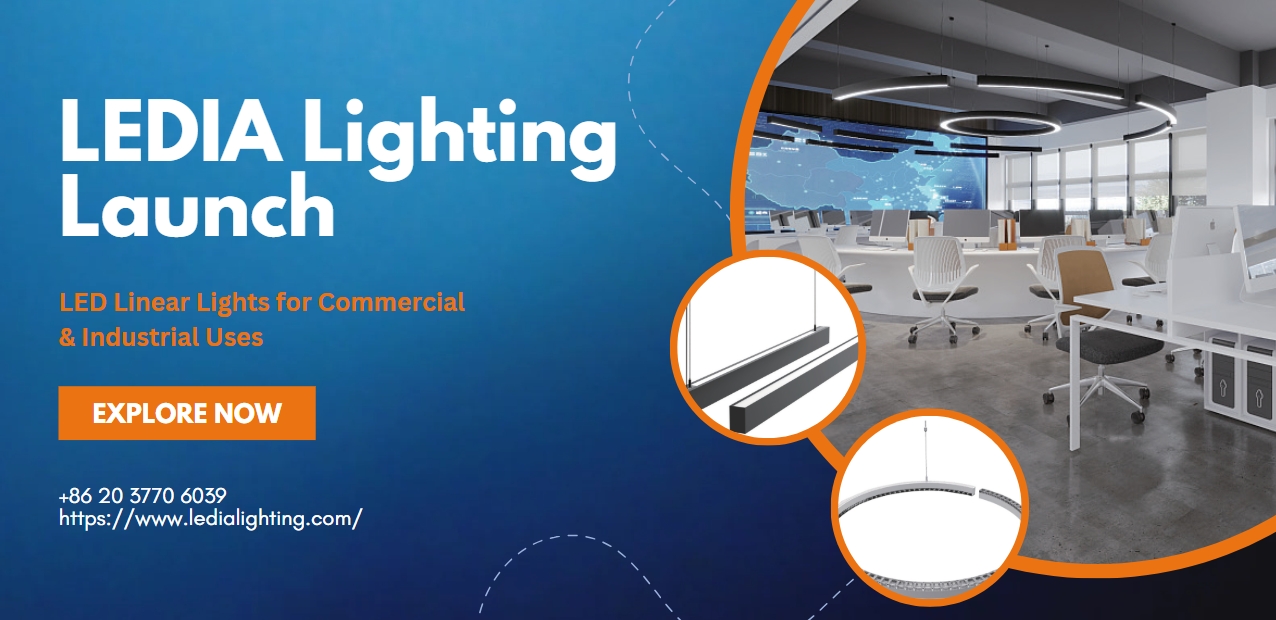
Looking ahead, two technology trends will matter for buyers and facility managers. One: smarter drivers with onboard thermal protection and better power converters give you the reliability you need — they prevent sudden drops when a fixture overheats. Two: modular optics and selectable color temperature let you match task and retail lighting without rewiring. We tested modules that let us swap lenses on a 4‑foot run in under ten minutes. — that made late changes painless.
What’s next for decision makers?
For anyone buying at scale, consider three clear metrics when you evaluate proposals: life-cycle lumens (not just initial lumens), driver warranty and specs (look for thermal foldback or shutdown protection), and the fixture’s long run voltage behavior. I prefer fixtures with sealed drivers in a separate compartment and a minimum 5‑year warranty on the LED array. These choices cut callbacks and save labor costs. One more thing — check for field-replaceable parts; it cuts downtime and makes future upgrades less painful.
Closing guidance from experience
I’ve learned—over fifteen years working in commercial lighting and parts distribution in Texas and the surrounding region—that solid spec checks beat low bids every time. You can chase cheap fixtures and wind up paying in maintenance calls, dim aisles, and unhappy tenants. If you pick fixtures with proper thermal design, the right power converters, and clear lumen maintenance data, you’ll see measurable savings and fewer service nights.
Three practical evaluation metrics I use when quoting: 1) Lumen maintenance at 50,000 hours in the published data; 2) Driver type and protective features (0‑10V vs. DALI and thermal shutdown); 3) Field serviceability (replaceable lenses and drivers). Apply those, and you’ll avoid the common traps I’ve fixed on-site — like that March 2021 bakery job in Houston, or a December 2018 grocery retro in Dallas where poor wiring doubled our labor time. In short, be thorough, ask for curves and real test results, and insist on verifiable specs. For projects that need hands-on design or custom layouts, I recommend talking with specialists early — we do that work often over at LEDIA Lighting.