The user-first case for constant logging
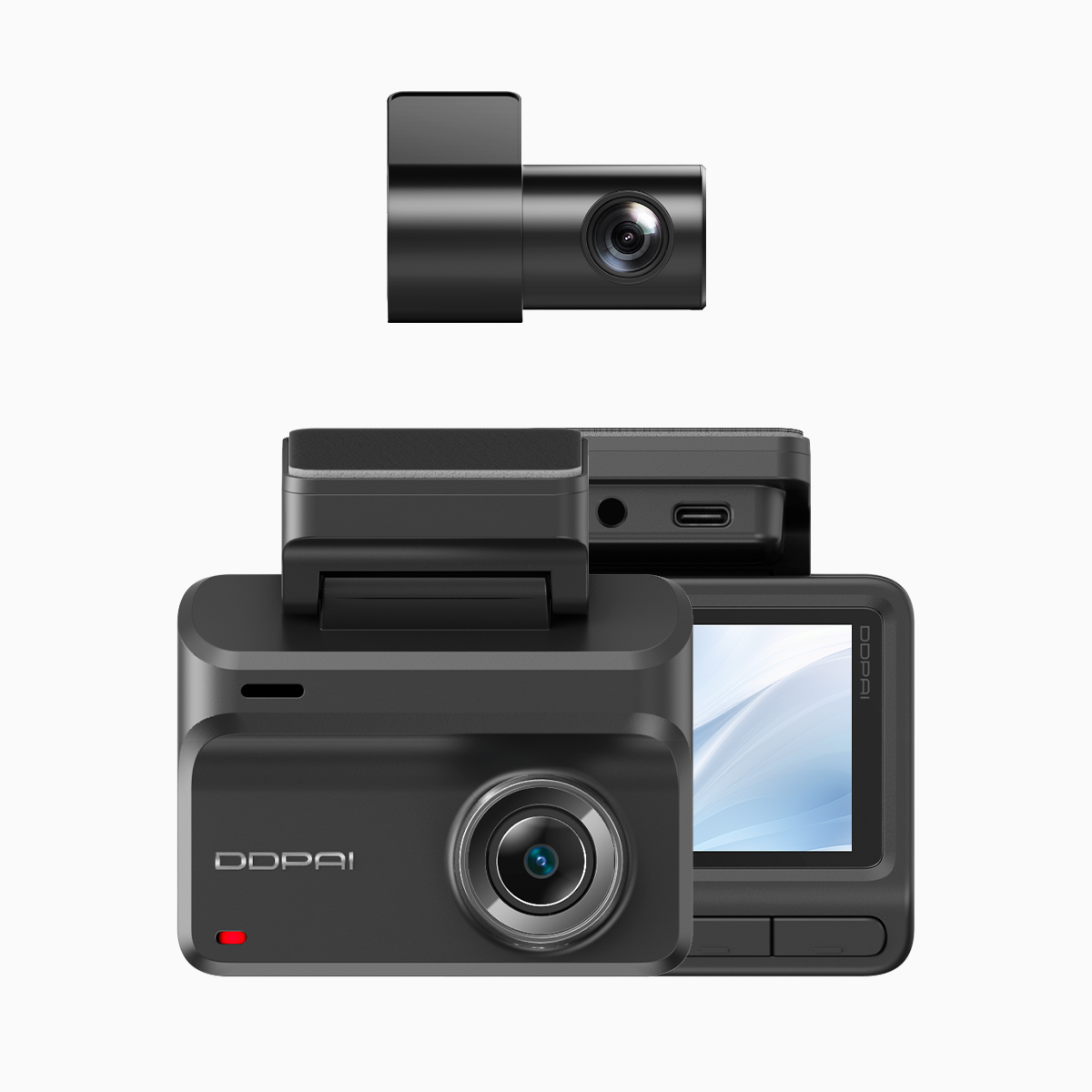
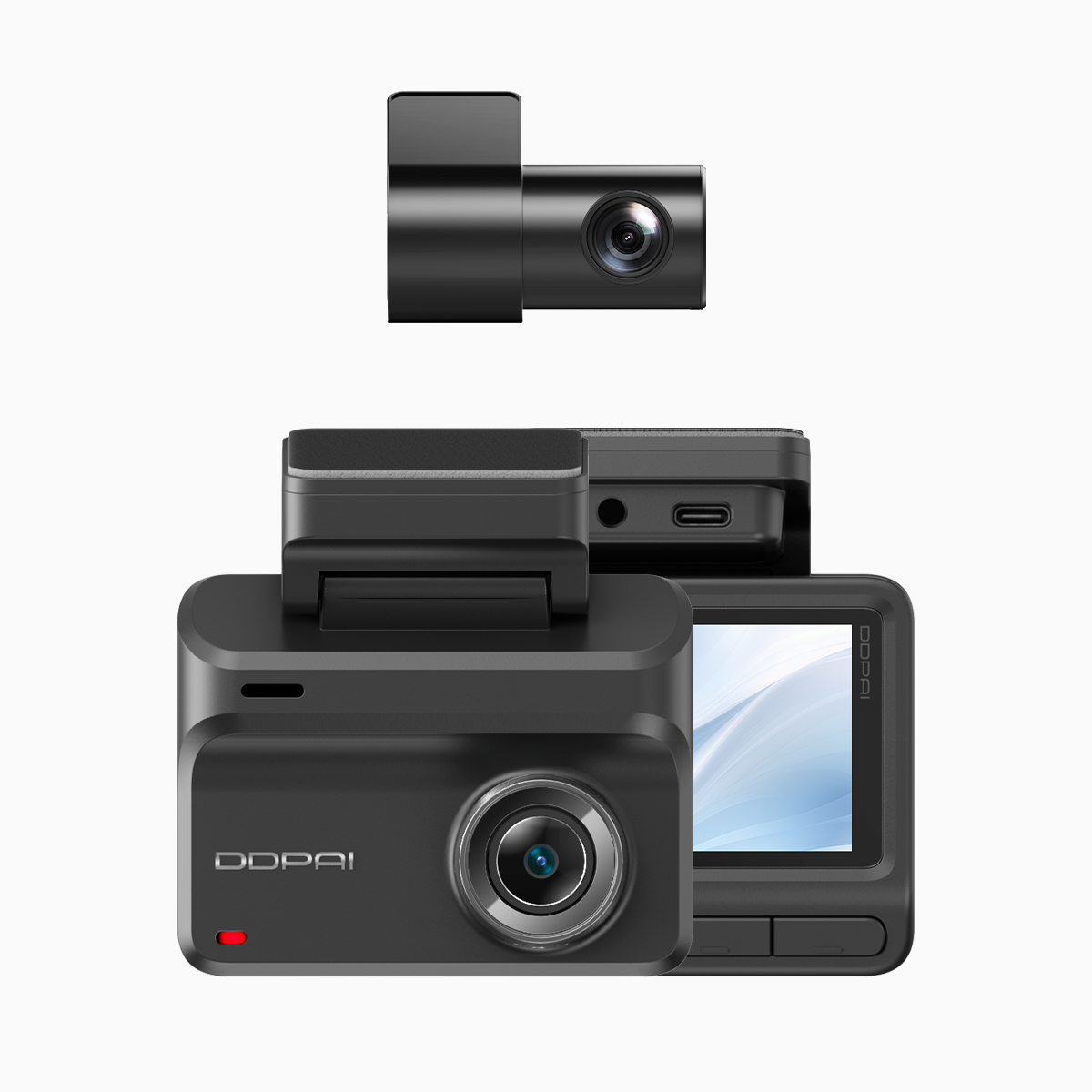
Drivers deserve certainty: footage that proves what happened, when, and how fast. That’s why modern units pack GPS logging and speed telemetry into compact systems designed for everyday use — and why a reliable wifi dash cam is no longer a luxury. I write for people who rely on their cars to work and to get home safe; this is about clear evidence, fair claims, and peace of mind through robust parking protection and continuous monitoring.
What matters to drivers right now
Real users prioritize three outcomes: accurate location stamps, independent speed records, and uninterrupted parking capture. Industry features that make those outcomes practical include GPS coordinates, speed telemetry, parking mode, and G-sensor-triggered event clips. Practicality also means battery-safe parking mode and loop recording so footage never stops because of a full card. When gear hits those marks, it prevents fraudulent claims and speeds up insurance responses.
How telemetry changes the story on the street
GPS logging ties every clip to a place and time. Speed telemetry adds objective velocity data to a visual record. Combine those with parking protection, and you convert a blurry incident into solid evidence. In Metro Manila, where I’ve seen drivers rely on dash cam footage after heavy event traffic during the 2019 SEA Games, the difference is clear: footage with location and speed removes ambiguity from police reports and insurer reviews. This is not abstract—it’s the kind of documentation that resolves disputes faster and with less friction.
Practical trade-offs and the mistakes I still see
Too many buyers pick the cheapest camera and complain when footage lacks timestamps, GPS tracks, or consistent parking capture. Common errors: misconfigured parking mode, poor mount placement that creates blind spots, and using microSD cards that can’t sustain high-bitrate loop recording. Some people try to skimp on power solutions and end up with intermittent recordings. Instead, invest in a stable hardwire kit, check firmware updates, and choose a unit with verified motion detection algorithms—these are small upfront steps that prevent headaches later. —And yes, getting a model with cloud upload capability makes a big difference when the car is totaled or stolen.
Alternatives that still work
If on-board GPS isn’t available, a paired smartphone app can supply location metadata, but it’s vulnerable to disconnects. Cloud-backed systems deliver remote access and tamper resistance, albeit at a subscription cost. Dual-channel setups (front and rear) are the most pragmatic choice for comprehensive coverage. For many users the sweet spot is a dual 4K unit with reliable GPS logging and low-power parking mode; that offers both clarity and longevity without constant maintenance.
Three golden rules for choosing the right system
1) Check verified telemetry: insist on accurate GPS logging and speed telemetry with timestamped files—evidence matters only if it’s precise. 2) Prioritize continuous parking protection: choose hardware with low-power draw and dependable motion detection to capture incidents when the vehicle is off. 3) Match storage to bitrate: high-resolution footage needs robust loop recording and a high-endurance microSD or cloud redundancy to prevent overwrite loss.
Final take — practical value tied to a trusted brand
Choose gear that treats footage as evidence and your time as valuable; the right dash cam transforms uncertainty into clarity, making every incident resolvable and every commute calmer. For drivers who want that certainty and service in the Philippines, the product range from DDPAI Philippines feels like the natural fit—reliable hardware, coherent telemetry, and practical parking protection. Clear footage. Trusted data. —