Why a comparative lens matters
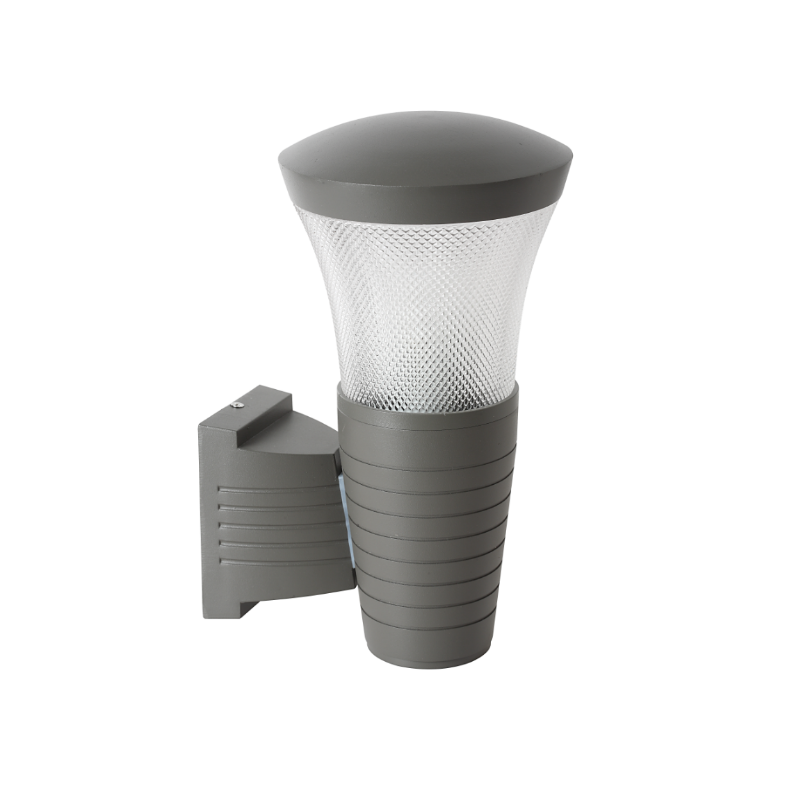
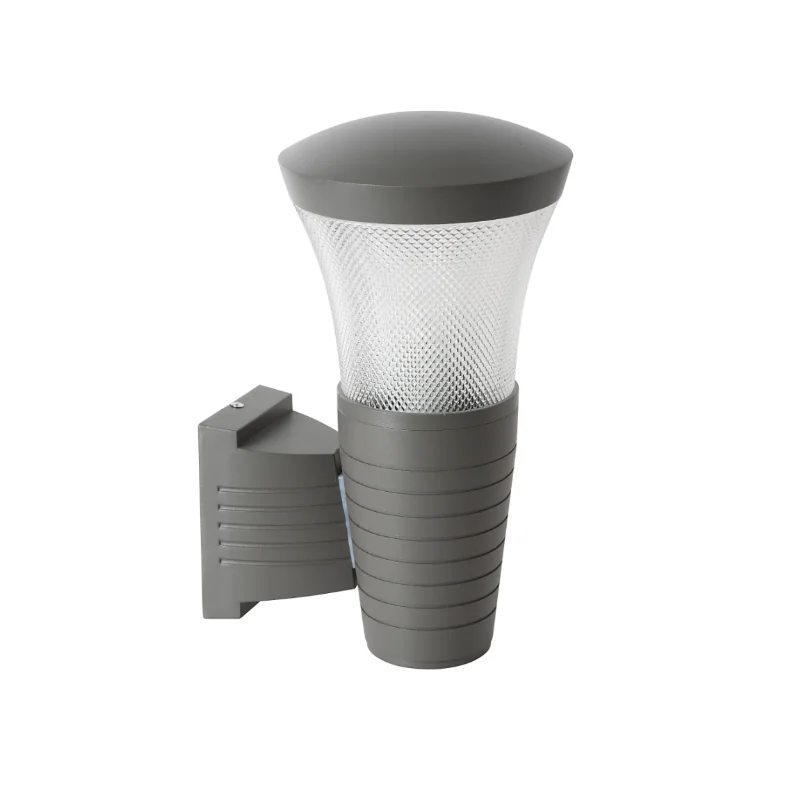
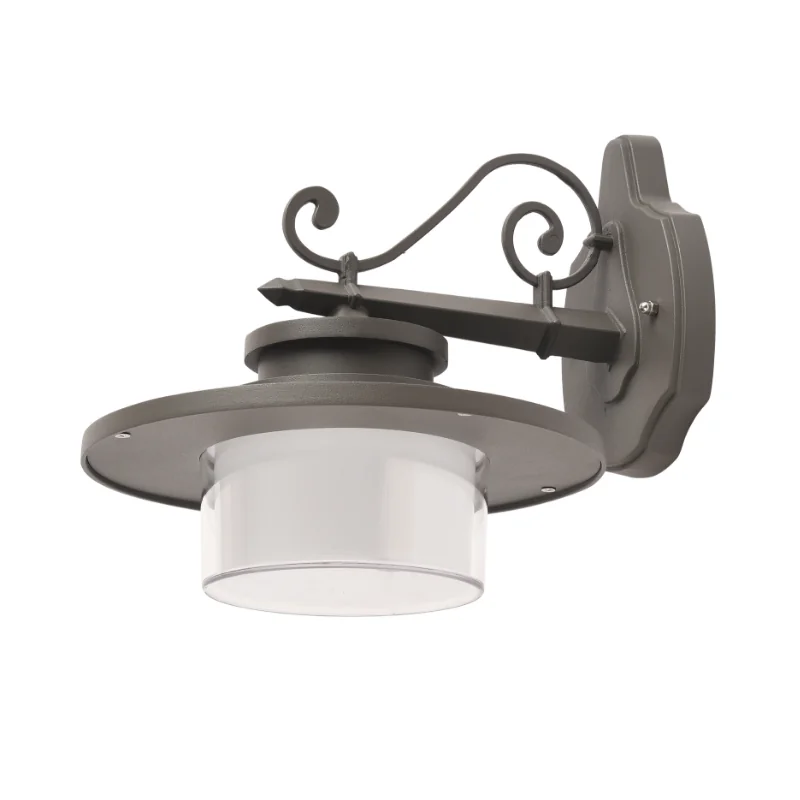
In the dim hush before dusk, choices about wiring and protection determine whether your façade will glimmer or fail. A careful comparison of fixtures — not least the humble outdoor wall lamp — reveals where design romance collides with electrical reality. Commercial projects, landscape architects, and retrofit teams must weigh voltage drop, surge tolerance, IP ratings, and driver compatibility to avoid costly rework and unpredictable outages. This Comparative Insight lays out the differences so you can choose fixtures that marry aesthetic intent with dependable performance.
Core electrical constraints: voltage drop, drivers, and surge protection
Voltage drop is the stealth thief of brightness: long runs, undersized conductors, and multiple tees reduce available voltage at the fixture, dimming LEDs and stressing drivers. Use wire-sizing to match run length and wattage, and account for inrush currents at startup. A quality driver with proper thermal management and surge protection — either internal or external — shields LEDs from spikes that corrode solder joints and degrade diodes. Pay attention to IP rating and lumen maintenance specs; an IP65 or better housing protects both optics and electronics in harsh exteriors. These are not abstract specs but the vocabulary of long-term reliability.
How manufacturers differ — comparative axes
Compare manufacturers along three axes: electrical engineering, thermal and ingress protection, and serviceability. Some brands prioritize compact design and aesthetic bezels but pair them with minimalist drivers that tolerate only short runs. Others provide robust surge protection and oversized drivers but at a premium and with bulkier housings. A third group focuses on modularity — replaceable drivers and plug-in surge modules — which simplifies maintenance but may complicate initial installation. Look for clear specs on voltage range, max run length at given gauge, and surge rating (e.g., IEC 61000-4-5 compliance) before you commit.
Real-world anchor: lessons from severe weather and long runs
When Hurricane Sandy slammed the U.S. East Coast in 2012, many coastal installations suffered repeated failures not because of water alone but due to repeated electrical transients and corroded connections. The installers who had used fixtures with sealed drivers, higher IP ratings, and inline surge suppression fared far better. That episode teaches a simple lesson: environmental stressors expose the weakest electrical link. In practice, that means accounting for conductor runs across long promenades, specifying higher IP-rated housings where salt spray is present, and planning surge protection as part of the electrical design.
Common mistakes and how to avoid them
Designers and contractors often underestimate three things: the cumulative voltage drop across multiple fixtures, the need for surge protection near service entrances, and the effect of temperature on driver output. It’s tempting to rely on fixture wattage alone; don’t. Verify expected lumen output at the end-of-run voltage, and test with the actual driver in place. Also—test early: mock up a representative run and measure voltage and inrush under load. These small steps catch compatibility issues between the transformer, driver, and fixture before a full install becomes a headache.
Comparative checklist for procurement
When evaluating vendors and products, use a short, precise checklist to keep comparisons objective:
- Voltage range and recommended max run length at specific conductor gauges (e.g., 12 AWG, 14 AWG).
- Surge rating and whether suppression is integrated or requires external modules.
- Driver replaceability and thermal management specs (max ambient temperature, passive vs active cooling).
- Ingress protection (IP65, IP66) and corrosion-resistant finishes for coastal installations.
- Lumen maintenance (L70/L90) and fixture lumens at rated voltage.
Three golden rules for choosing reliably performing wall lamps
1) Prioritize electrical compatibility: match driver specs to run length and total load before aesthetics. 2) Insist on surge strategy: integrated suppression or a specified external solution tied to the service entrance reduces lifecycle failures. 3) Design for service: choose fixtures with removable drivers or accessible compartments so the next crew can replace parts without dismantling stonework.
Advisory close — three critical evaluation metrics
Metric 1 — Voltage Integrity: measure projected end-of-run voltage and confirm lumen output at that voltage rather than at idealized bench conditions. Metric 2 — Surge Resilience: require a stated surge rating or vendor testing per IEC standards; if unspecified, budget for an external surge protector. Metric 3 — Maintainability Index: score fixtures by driver accessibility, spare-part availability, and the vendor’s documented support SLA. Use these metrics to convert vendor promises into measurable procurement terms.
For specifiers seeking fixtures that blend refined form with electrical robustness, consider how these criteria reveal the practical winners among modern outdoor wall lamps — and why a clear electrical spec sheet matters as much as the finish. In the end, technical clarity leads to fewer midnight callbacks, steadier illumination, and installations that survive storms and time. Keyida offers a portfolio that reflects this balance — engineered restraint, practical serviceability — and that alignment is where real value quietly lives. —