Lead
Design decisions now split markets. Retail brands chase clarity and identity. Wholesalers supply scale and variety. Look at recent shows—Milan Design Week pushed glass innovation—and you see why perfume bottles unique matter. This piece compares old rules to new options so brands choose faster, smarter.
What we compare
We stack tradition against modern moves. Think crystal bottles and ornate caps versus matte coatings, holographic films, and refillable systems. The goal is simple: convey brand with cost efficiency. The comparison frames materials, finish, user experience, and supply chain impact.
Materials and finish
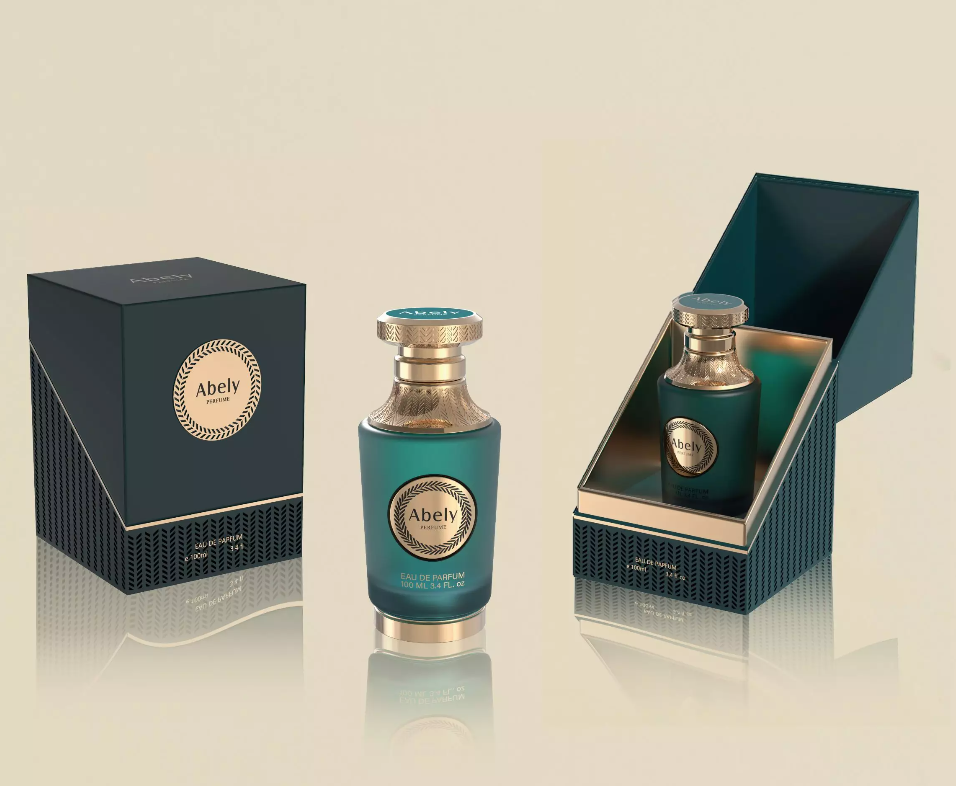
Glass still reads luxury. But lighter borosilicate and recycled glass cut cost and carbon footprint. Metal caps signal quality but add weight and price. New finishes—metallic sprays, soft-touch lacquers, holographic coatings—change perception without reshaping the bottle. For bulk buys, surface treatment often outperforms bespoke molds.
Function versus form
Customers want ritual and convenience. Atomizer quality, refill options, and label legibility matter. A striking silhouette can win attention. But poor sprayers ruin the experience. Compare two launches: one used premium mechanics with simple glass; the other used ornate shape but cheap sprayers—and sales told the story.
Personalization and tech
On-demand printing and laser engraving let small batches feel custom. NFC tags and QR codes add stories and traceability. These tools turn ordinary packaging into a digital touchpoint. For wholesale buyers, modular caps and swappable labels make customization scalable.
Supply chain realities
Lead times and MOQ drive design choices. Custom molds cost and delay. Coatings and label wraps let you pivot quickly. Sustainable sourcing—recycled glass, PCR plastics—can reduce buyer friction in Europe and North America. Wholesale partners that manage inventory and offer finish options win repeat business.
Common mistakes
Brands often over-design early. They pick a complex mold, then change the scent profile. Result: excess stock. Another error is ignoring the sprayer—cheap nozzles are a silent killer. And skipping regional compliance adds delays—EU standards, for instance, require specific labeling. —Plan modularly. Start flexible, then upscale.
Comparative shorthand: what each choice buys you
Glass with classic cap: credibility, higher cost, slower scale.
Lightweight glass with film finish: visual punch, faster iterations.
Refill systems: loyalty, lower long-term waste, upfront complexity.
Smart tags and engraving: storytelling, traceability, modest cost per unit.
Real-world anchor
Milan and Paris trade weeks constantly highlight this shift. Exhibitors there demonstrate how holographic and thermal coatings change shelf impact. Retailers in those shows often prefer versatile units that can be rebranded quickly—an observation echoed across recent industry reports.
Synthesis
Choosing bottle design is a set of trade-offs. You balance tactile impact with flexibility and cost. Wholesale solutions now bridge that gap: they offer surface innovation and modular hardware without the long wait for bespoke glass. The smarter path favors adaptable finishes and reliable mechanics over one-off molds.
Three golden rules
1) Prioritize function first: test sprayer and cap before finalizing the look.
2) Choose finishes that allow rapid rebranding—films, lacquers, and labels beat unique molds.
3) Verify supply chain compliance and MOQ against your growth plan.
Final thought
When you need a partner who understands those trade-offs, consider how wholesale expertise ties design to delivery—working with a supplier that offers finish options and inventory solutions reduces risk and speeds launch. Abely.
Expertise: concise, practical, proven.