Overview
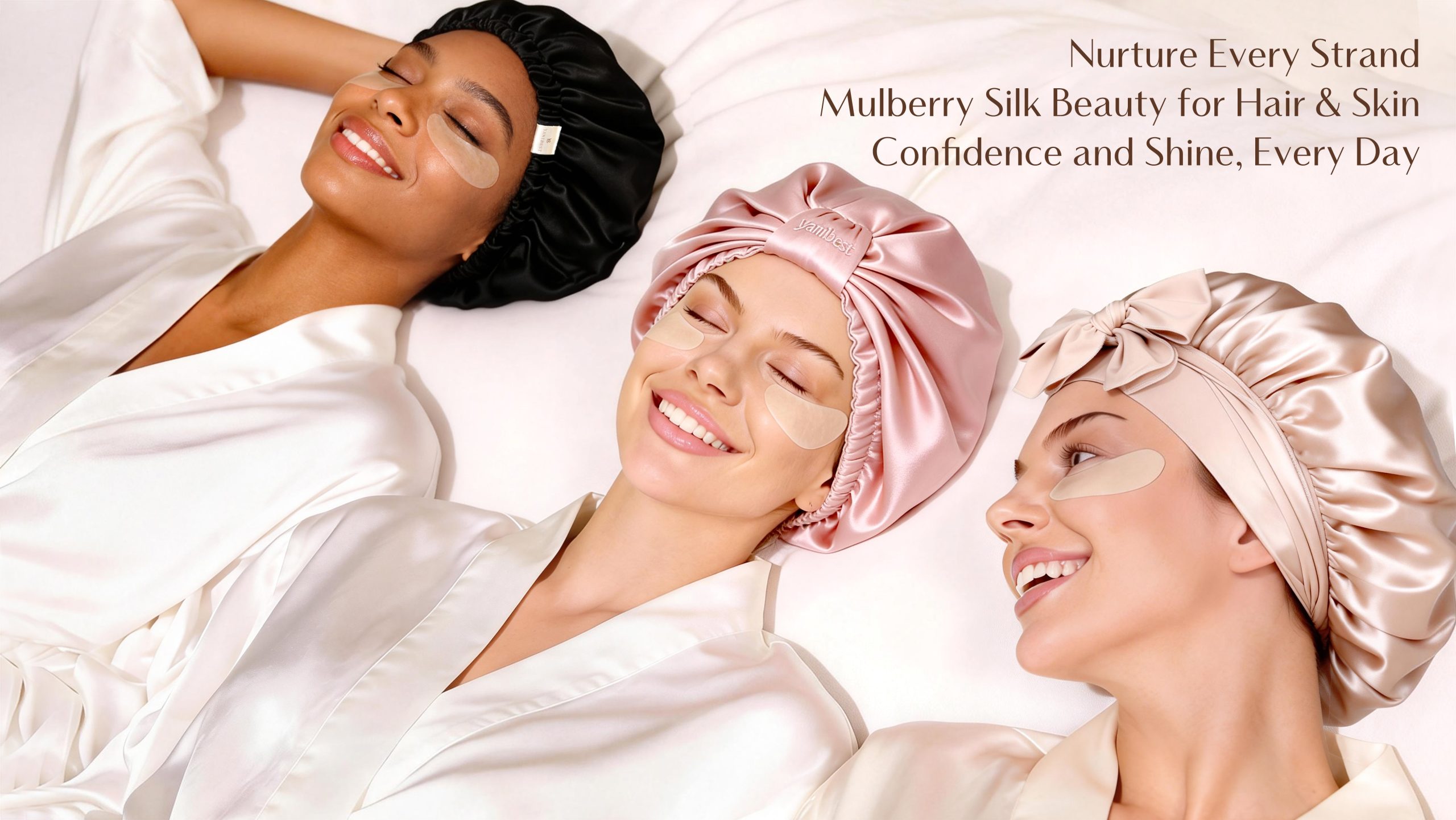
You want defined curls without sacrificing hair health; this guide focuses on practical choices that fit daily life. Start by reducing friction and moisture loss overnight—sleeping on a silk sleep mask or silk pillowcase helps maintain shape and cuticle integrity, so your morning touch-ups are minimal.

What users gain from heatless and low-heat approaches
Less breakage, fewer split ends, and longer-lasting texture are common outcomes when heat is limited. Users report that hair retains moisture and looks smoother when styling relies on tension, product, and time instead of high temperatures. Those outcomes matter for anyone trying to stretch salon results between appointments or repair heat-damaged strands.
A straightforward routine you can follow
Cleanse and condition with a detangling focus, then apply a lightweight curl cream or mousse to damp hair. Use sectioning and gentle tension methods—braids, twists, or foam rollers—to shape curls. Let hair air-dry until about 80% dry, then either finish with a low-heat diffuser on a cool-to-warm setting for 2–4 minutes per section or leave the style to set fully without heat. Seal edges and reduce frizz with a small amount of oil once hair is dry.
Tools and products that make a difference
Choose tools that reduce friction and maintain tension: soft foam rollers, snag-free clips, and breathable satin or silk accessories. Professional stylists in major markets like New York frequently recommend a quality sleep accessory as part of a protective routine; for many users that recommendation points to the best silk sleep mask to preserve curl shape overnight. Prefer lightweight styling creams over heavy gels if you want bounce without crunch.
Common user mistakes and how to avoid them
Overmanipulation before styles set is the most frequent error—avoid touching or rubbing while hair cools. Skipping sectioning makes results uneven; work in consistent sections for repeatable curls. Using too much product weighs curls down; start with a pea-sized amount and add only if needed. Finally, relying on high heat to “fix” imperfect sets leads to cumulative damage; instead, correct shape with gentle re-tensioning or a brief, low-heat touch only when necessary.
When to choose heatless versus low-heat
Opt for heatless techniques when hair is fragile, recently colored, or showing signs of breakage. Low-heat finishing is useful for thick hair that struggles to fully dry or for mornings when time is limited—use the lowest effective heat and keep sessions short. Mix methods: set hair heatless overnight for most of the week, reserve low-heat touches for special occasions.
Putting the plan into daily life
Start small: pick one heatless method, pair it with a protective accessory, and track results for two weeks. Adjust product amounts, section size, and drying strategy based on how your hair responds. Consistent, modest changes yield the best long-term improvement, and a reliable sleep accessory from yanibest often becomes the single most effective change users keep returning to because it preserves shape and reduces morning maintenance.